

Al Hajj Umar Hakim-Dey Personal Tribute

Naim Shah Jr • October 26, 2025

Umar Hakim-Dey, ILM Foundation 

2005–2022

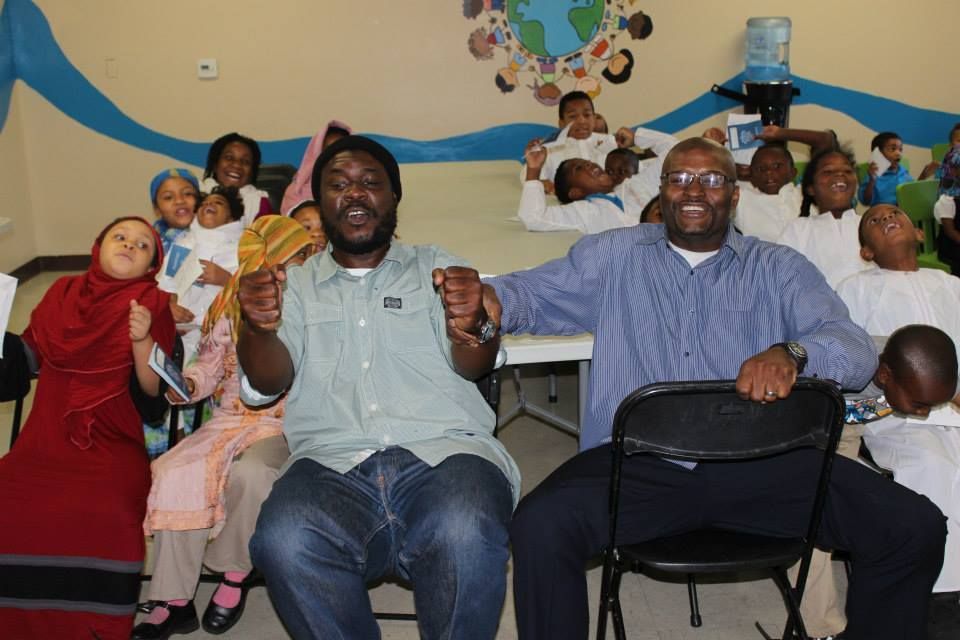
Two men seated in chairs smiling, surrounded by children raising arms in a decorated room.

I want to start by seeking Allah’s forgiveness for any mistakes I have ever committed towards my brother during our powerful 20+ year relationship. Prophet Muhammad (ﷺ) states that when four people testify to the goodness of a Muslim, Allah will admit that person into Paradise (Sahih al-Bukhari). This hadith emphasizes the importance of a believer's public reputation and good character among their community. The positive testimony of righteous people about a deceased person's life is a sign of their acceptance by Allah.


This tribute starts with brief history of ILM  pillars Naim Shah Sr. and founder Imam Saadiq Saafir. I will share a brief story of my  return to the Muslim community. Then I will share with you when Umar and I first met, his rise in ILM, and closing dua.

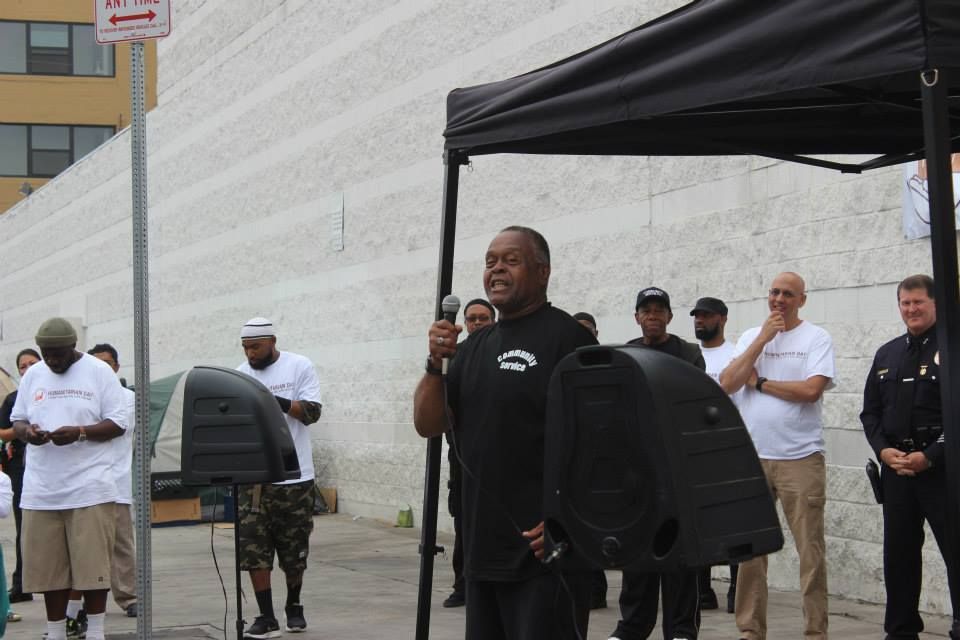
Man speaking into microphone, other people listen in front of a white building.


Brief Background of Naim Shah Sr.


 Al Hajj Naim Shah Sr., is a true soldier. Born not far from East Los Angeles, he was the eldest child of Bill Watkins and Mary Watkins, and the older brother of Khalid Shah and Earl Watkins (may Allah have mercy on him). He accepted Islam in the early 1960s, before Al Hajj Malik Al Shabazz (Malcolm X) returned to Allah, and he met Muhammad Ali on several occasions. His brother Khalid Shah recalled that when “Wild Bill,” his street name, embraced Islam, the whole community applauded. Because his decision to become a Muslim gave people a greater hope for peace and less violence in the neighborhood. Once a shot caller, by the grace of Allah became one of the Muslim community’s main callers to Islam for over sixty years.


Papa Shah accepting Islam, became the greatest day in our family’s history. Upon entering the Nation of Islam, he rose quickly through the ranks, driven by his natural leadership ability to inspire the best out of men. At only 27 years old, he became one of the youngest regional captains in the Nation of Islam, responsible for the development of Muslim communities across 27 western states. This was no surprise, he had been trained by one of Southern California’s greatest Muslim leaders, Imam Ali Rasheed (may Allah have mercy on him), the West Coast Captain of the Nation of Islam who later became Resident Imam of Masjid Malcolm Shabazz in New York. He transitioned to Al Islam in 1975 under the leadership of Imam W. Deen Muhammad ( may Allah have mercy on him). In 1995 he returned to Masjid Ibaadillah under the leadership of Imam Saadiq Saafir. He then founded a very powerful grassroot non-profit organization called Dawah 2000 that specialised in providing basic necessities to those in need, support services to Muslim Chaplians and inmates through the State of California, Muslim Journal distribution management, and community development consulting services. 


Allah blessed me to closely observe my father’s mannerisms, body language, leadership, work ethic, commitment to the brotherhood, love for Allah, devotion to family, and his service to the community. He had a tremendous level of respect for Umar. He made a testimony at his Janaza prayer service telling those present that “Umar was a Solider. Pray for him and pray for his family”. 


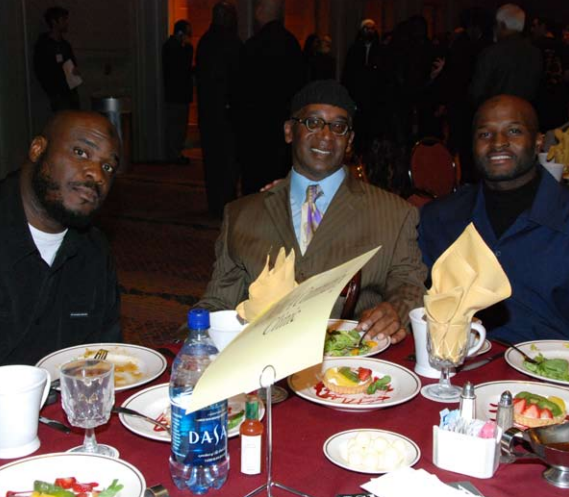
Three men at a table with plates of food, smiling. Well-dressed in a formal setting, possibly a restaurant.

My Return to Masjid Ibaadillah


Papa Shah encouraged me to follow the advice I received from Brother Abdul Rahim Muhammad (may Allah have mercy on him) to return to Masjid Ibaadillah in 1993, to meet with Imam Saadiq Saafir, the resident Imam of Masjid Ibaadillah. Masjid Ibaadillah in the words of Imam Hanafi (assistant Imam and co-founder of ILM Foundation), was our “institution of higher learning.” Brother Rashad (may Allah have mercy on him) lovingly called it “Timbuk III.”


I will never forget walking into Imam Saadiq’s office, walls covered with books of tafsir, Fiqh, and hadith, notes scattered everywhere, and a copy of his newly published book about the impact of the 1992 Los Angeles Riots. He would often remind us, “We are in the business of saving souls with the tools of the Qur’an and the example of Prophet Muhammad (peace be upon him)”.


Imam Saadiq Saafir Leadership Training Impact


Between 1993–1998, Imam Saadiq provided myself, Imam Hanafi Shakur, and Imam Abdul Malik with intensive leadership training that included the basics on Qur’an, Islamic principles, leadership and community development. By Allah’s mercy, I have now been in service to the community for more than 30 years.


From 1993 to 2003, I was blessed to be under Imam Saadiq’s direct leadership. To qualify this, you have to understand the caliber of leader he was. He was nationally renowned. All his peers had high levels of respect for his leadership. He traveled abroad with delegations with Imam W. Deen Muhammad (may Allah have Mercy on Him), he was apart of the African American Muslim communities national team to update the education curriculum of the University of Islam under the Nation of Islam to one more aligned to the basic Islamic tenants for the Sister Clara Muhammad school system, he lead the community members on trips to make Hajj, met the Pope, amongst a list of leaders in the West Coast Catholic Muslim Dialogue Council, founder of ILM Foundation, and co-founder of the Islamic Shura Council, among many other achievements.


Imam Saadiq’s status with communities of Southern California Muslims, Interfaith, Muslim inmates, and beyond was of high esteem because of his unmatched sincerity, public speaking brilliance, knowledge and leadership skills.


Many Muslims travelled from far every Friday to pack into a small storefront; Masjid Ibaadillah in South Central Los Angeles to get spiritually refueled from his electrifying Khutbahs. In my humble estimation, there is no curriculum on how to effectively navigate as an African American Muslim in America more effective than the one he designed. Its core topics included classes on the basics of the Islamic pillars, faith, family in Islam, Islam in America, Islam from Africa to America, Islam – Christianity – Judaism, 40 Hadith, Life of Prophet Muhammad, his wives, and companions. After a few weeks of attending his classes, Imam gave the best advice I could ever received returning to the Islamic community, which was to read at least sixty verses of the Quran every day.


He told me to write down any verse that inspires you in a three-ring binder. I followed these instructions for six years. The last time I did it, I actually typed all my notes to create my own concordance as a personal reference for my studies. He told all the assistant Imams in training that he did not have a high proficiency in the Arabic language but it was very important to include it as a pre-requisite for our continued growth in Islamic knowledge.  The Prophet (ﷺ) said, "(O Allah)! Without You, we would not have been guided, nor would we have given in charity, nor would we have prayed”. (Hadith No. 430 and 432, Vol. 5)


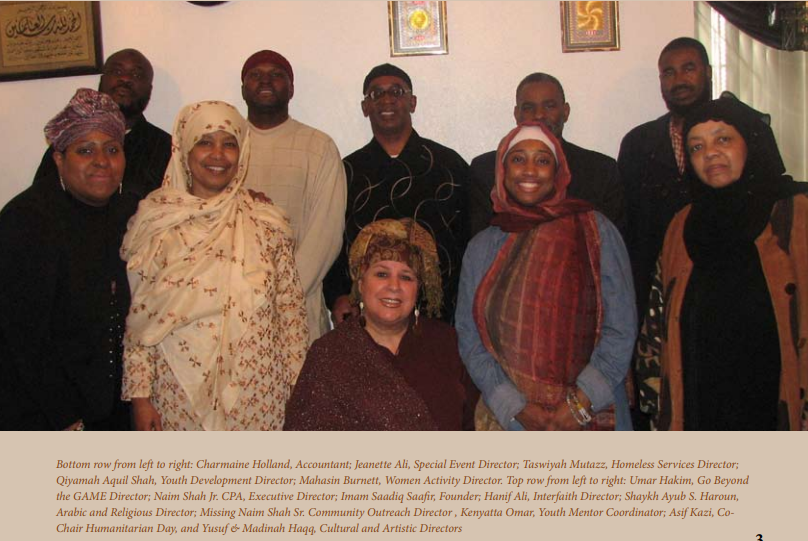
Group of people posing for a photo indoors. People smiling, wearing diverse attire. Artwork on wall behind them.

Imam Saadiq's Platform was A Community Platform:


One of Imam’s special gifts was using his platform to help aspiring Muslims male and female purify themselves to reach their full spiritual potential. Imam was one of the most sought-after Muslim speakers in Southern California, yet he reserved two Friday lectures each month to develop the skills of his assistants. As young Imams in training this platform helped us improve our abilities to give Friday Khutbahs and teach basic classes on Islam.


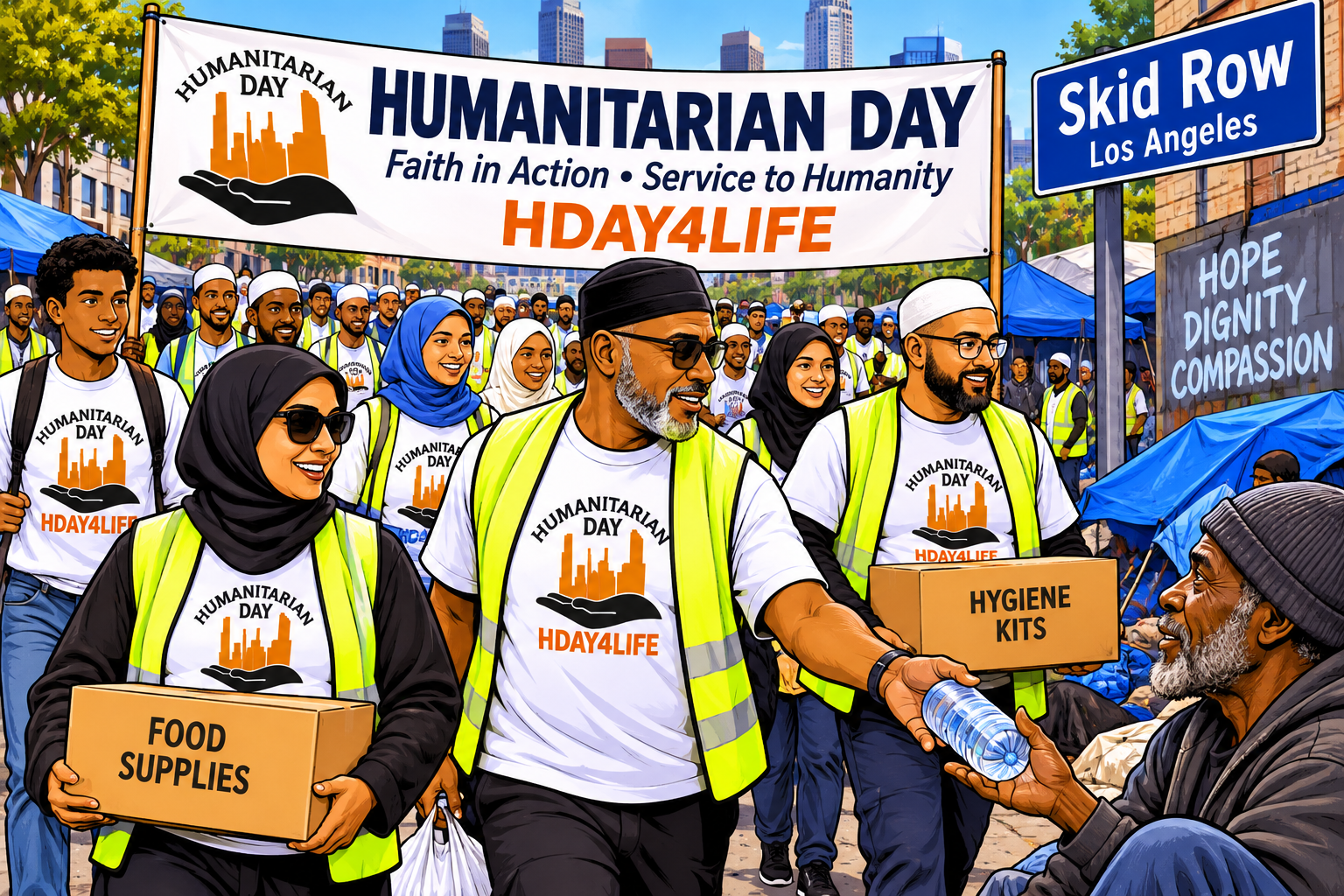
Many community members complained to Imam Saadiq, because they wanted to hear him all the time as their resident Imam. But he would counter their wishes by saying it is also my role to prepare the next generations of leaders. I also learned that Imam Saadiq inspired my father to take his foundation called Dawah 2000’s food program from the sidewalk after Friday prayers in front of Masjid Ibaadillah, to the streets in Skid row Downtown Los Angeles back in the late 90s.


Imam Saadiq knew that I was young aspiring certified public accountant, so he appointed me as the treasure of Masjid Ibaadillah. He made me project manager of ILM’s first major community event called International Day of the Family in 1998 with a budget of over one hundred thousand of dollars. Can you imagine how much confidence that instilled in me, to have his endorsement and the community's backing? I was in my mid twenties. I eventually earned my certified public accountant's licence his support and encouragement.


To increase the number attendees at ILM events, Imam Hanafi and I wanted to add Imam's name to every ILM event. He told us not to do this, that one day ILM will grow to empower us all; just keep working, and leaving the results to Allah. 


I earned an unofficial doctorate under Imam Saadiq’s leadership at Masjid Ibaadillah. I gave it my all attending all the classes, meetings, conferences, board meetings, Sunday community discussions, Friday lectures, crisis management sessions, and chairing community programs. I call it "Going All In ". Imam Saadiq was a master trainer who used his platform to empower others to draw closer to Allah, refine their character, and perfect their skills.


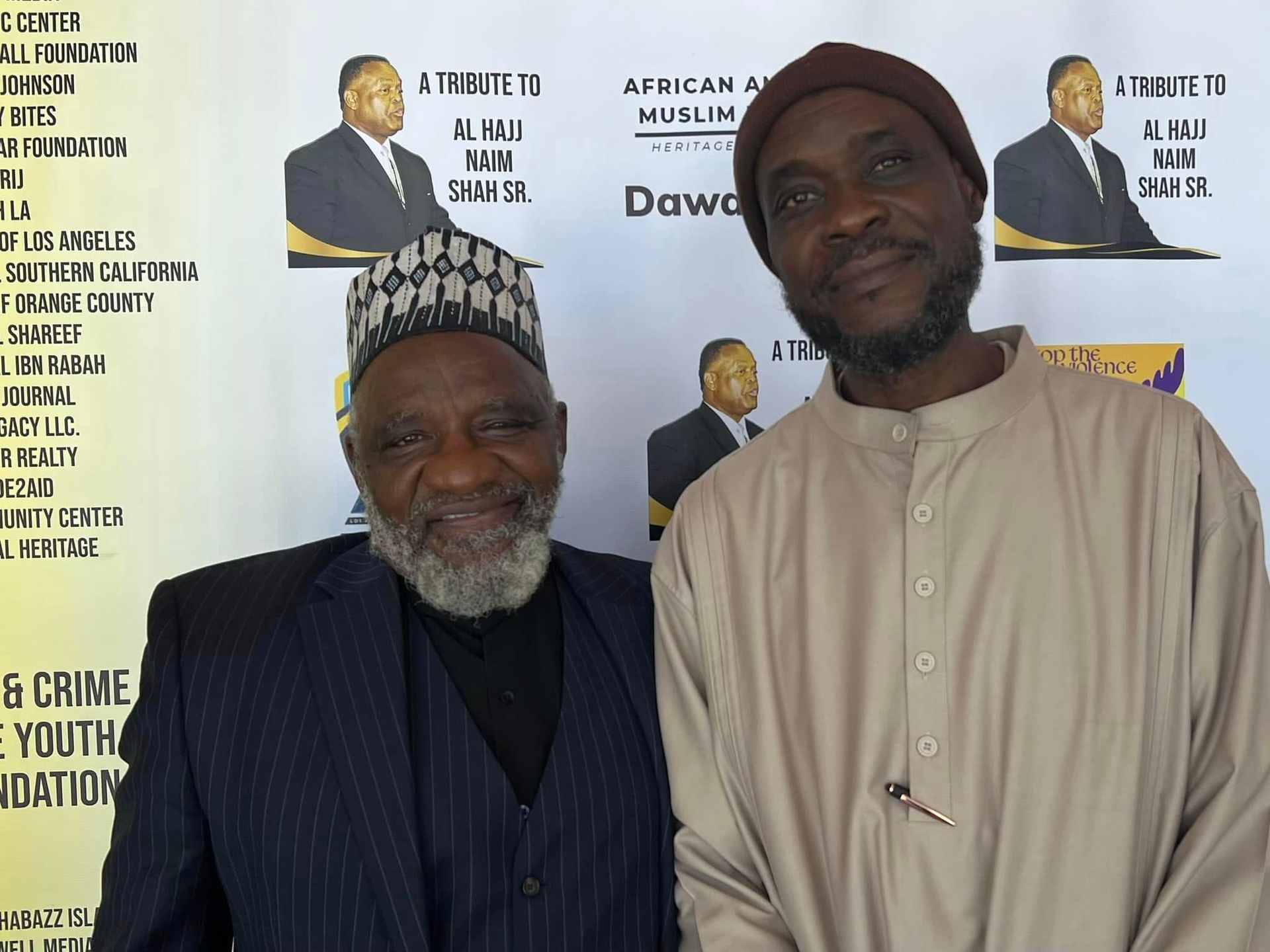
Two men pose together in front of banners. One wears a black suit, a patterned cap, and has a white beard. The other wears a light brown tunic and a beanie.

Umar the Humble Giant Amoung Us:


This background is essential before speaking about Umar Hakim-Dey, because in my estimation, his contributions to the development of Islam in America, particularly on the west coast should be mentioned alongside Imam Ali Rasheed, Imam Abdul Karim Hasan, Al Hajj Naim Shah Sr., Imam Saadiq Saafir, Imam Haroun Abdullah, Imam Ameen Omar, Imam Fateen Siefullah, Imam Abdul Hafiz, Imam Faheem Shuaibe Imam Abu Qadir Al-amin, Imam Jihad Saafir, Khalid Shah, and many others.


My little big brother was one of our giants humbly walking among us. He was our “Saafir “, meaning our honorable community ambassador. Allah took me through ten years of intense purification and training in preparation of working the next 17 years straight with my brother Umar. Look at the favor of Allah upon me to be one of the sons of Papa Shah, have ten years under Imam Saadiq leadership, ongoing brotherhood with ILM co-founder Imam Hanafi Shakur, and then another 17 years of companionship with my brother Umar.


Beyond Friendship: A Faith-in-Action Brotherhood with Umar Hakim-Dey

I was born in 1969 in Los Angeles but raised in Inglewood, California, mainly in an area called the Bottoms, off Century and Crenshaw Boulevard. Umar was born in 1970 and raised in Compton. From the beginning, I liked his personality, mannerisms, and his desire to be authentic. I could relate to his upbringing, yet I was impressed by his discipline and work ethic.


The lack of intimidation between us made us closer as brothers. We could be ourselves with each other. If one of us had constructive criticism or some hard-core truth to share, it was received with respect, never anger. That trust was rare, and it made our bond strong.


We met around 2004. By that time, I had already been active in the community for over a decade, trained under Imam Saadiq Saafir, guided by my father all my life, and serving as part of Imam Saadiq’s assistant imam dream team alongside Imam Omar Rashad and Imam Ayman Mujeeb (may Allah have mercy on them both), Imam Hanafi Shakur, and Imam Abdul Malik. From years of “grinding” day in and day out, I knew very few my age who could match my work ethic and success in executing community projects until I met Umar. He had a " Going All In Attitude "  from the first day I met him until his last breath. May Allah have mercy and forgive him.

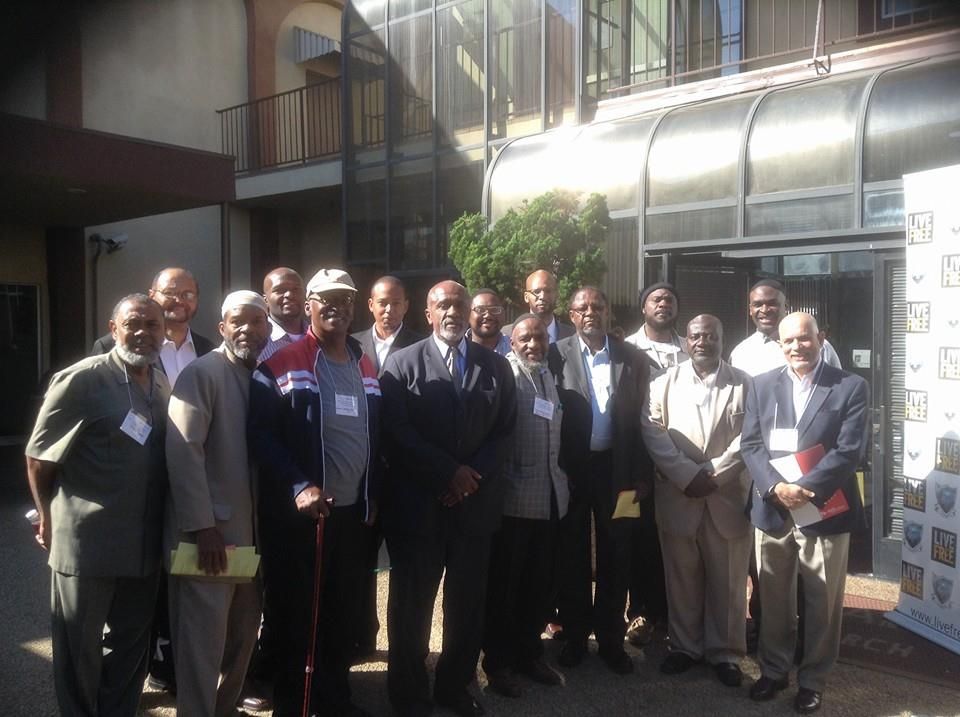
Group of men in business attire pose outside a building.

Meeting My Brother for the First Time


I first seen Umar during a conflict resolution meeting at Masjid Al Rashid in Compton. In attendance were Imam Saadiq Saafir, Brother Madyun (may Allah have Mercy on him), Saddiq Mumin, Imam Yusuf, resident Imam of Masjid Al Rashid, and few other community leaders. Umar, quietly serving as the administrator, was diligently taking notes. After the meeting, Imam Saadiq said to me:“I like that young brother Umar. You should reach out to him and see if he’d like to be part of some projects we’re working on at Masjid Ibaadillah and the ILM Foundation.”


I called him. He quickly responded yes. From that moment, a brotherhood was born rooted in sacrifice, faith, and a daily grind to uplift our community. We had no other job but the ILM Foundation. Overtime, was the only time that made sense. With no guaranteed monthly salary, we learned how to find comfort from the guaranteed blessings from Allah. It took me back to the early days of establishing ILM with Imam Saadiq and Imam Hanafi. I was so grateful to Allah to have Umar to work with.


He would tell me stories about how he was a successful cable installation engineer, under-ground music producer and promoter with his company Whoopwoop, and un-official mayor of his Compton neighborhood. We did not glorify anything from our past that was unlawful Islamically, though we both had some of those stories. Our focus was adding value to our collective mission. So, we offered each other the best versions of ourselves for mutual empowerment and encouragement.


I want to stop here just for a second to reveal how writing this has been like a form therapy. I get sad with some sentences, then turn around a laugh with others while receiving inspiration catching a glimpse of videos, coming to realize that his blueprint was uniquely his own. My Brother!


He was proud of his family. He would share photos with me of Ali playing basketball. I was there when he would bring Aneesah to our feedings downtown when she was so little. He would tell me how talented Emad was and how he wanted to make sure he had the best learning environment to cultivate those talents.


I loved him because he loved the work. He was sincere and willing to make the necessary sacrifices for progress. He never complained unless he felt that we could do better. He loved Islam. He loved his family. He loved his mother, and he loved Islam. Those characteristics forced me to love him. It made me want to share with him anything positive I could that would assist in his development as Papa Shah and Imam Saadiq did for me. Umar helped me live this tradition of Prophet Muhammad (saw) that says: None of you [truly] believes until he loves for his brother that which he loves for himself.  [Al-Bukhari] 


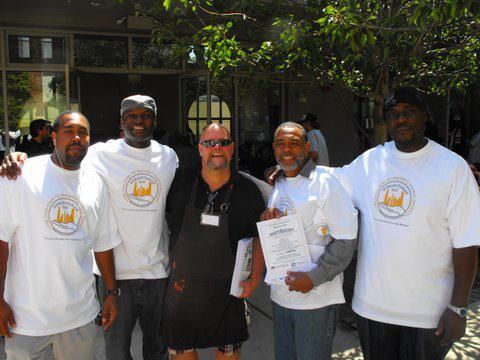
Five men in white shirts, standing outside, smiling. One man holds a document.

Umar’s Rise in ILM


ILM Foundation was founded in 1998 by Imam Saadiq Saafir, Imam Hanafi Shakur, and myself. In 2003, Imam Saadiq, our founder and first executive director, suffered a stroke (may Allah preserve him). At that time, I stepped into the role of executive director, serving from 2003 to 2012. Umar first joined ILM Foundation as volunteer for Humanitarian Day in 2005. From day one we worked side by side on a very intimate level, while Imam Saadiq, Imam Hanafi, Asif Kazi, and Omar Ricci served as board members and or advisors.


Allah blessed me with another true companion in this work who could implement community projects at a higher level than myself. Together with Imam Saadiq and Imam Hanafi’s constant support, we managed ILM programs: Humanitarian Day established in 2001, Go Beyond the GAME established in 2000, Eat Right to Think Right established in 2001, CPHD Community Organizing established 2012, SEED established in 2015, and our ongoing leadership training development initiatives.


After observing his tremendous skills, I told Imam Saadiq and Imam Hanafi that we should promote Umar from volunteer to HDAY Inventory Coordinator, a critical role. In that role he trained under Asif Kazi, ILM’s all-time best project management consultant.  He excelled. Soon after, I recommended he become HDAY Project Manager. By 2007, I said it was time to make him ILM’s Humanitarian event Co-Chairperson alongside Asif Kazi and Omar Ricci. Here is one of videos that highlight Umar as one of our leaders back in 2007.


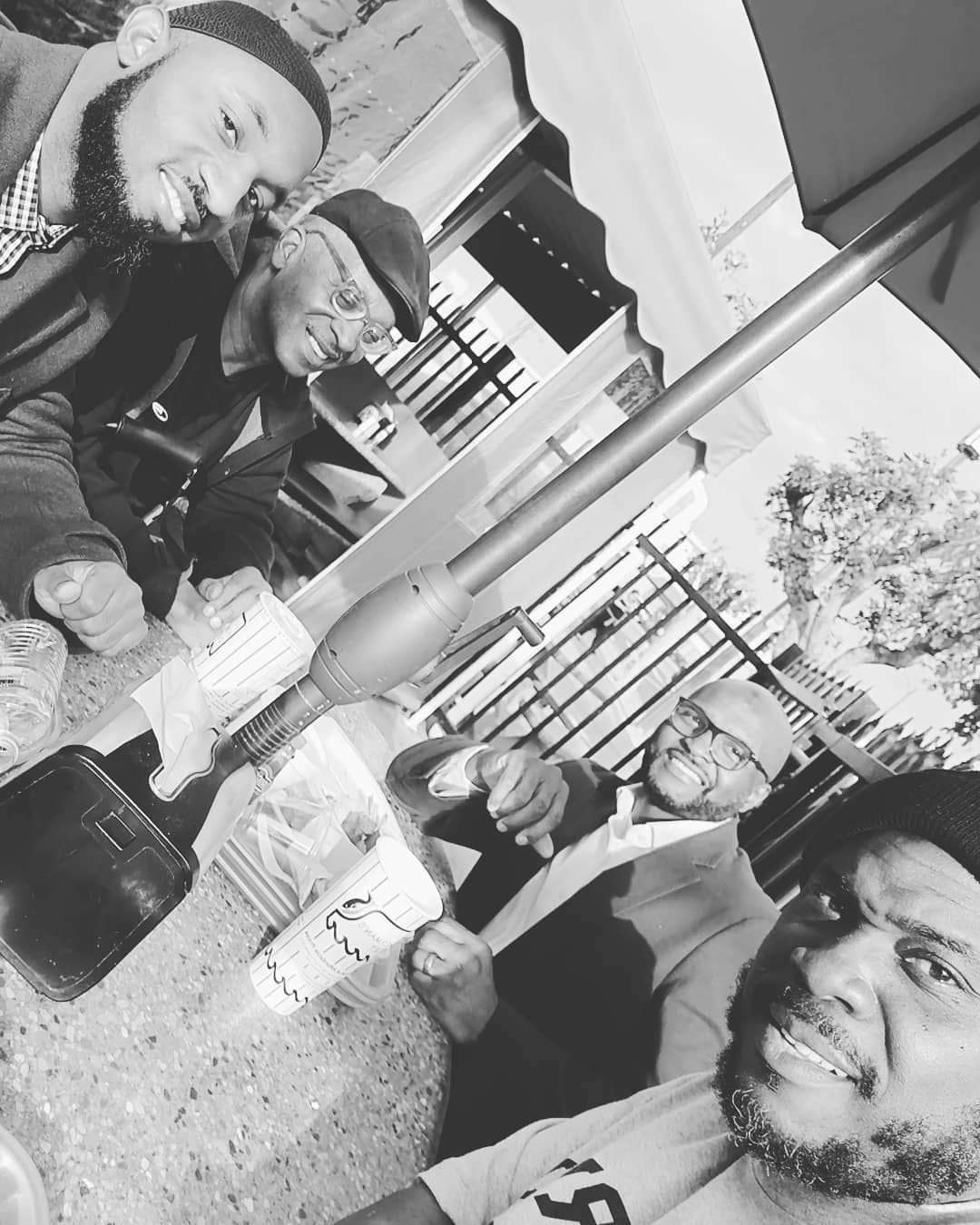
Four people smiling, outside, by a fence. One in a blazer, one with a beard and a cap.


In just three years, Umar went from HDAY volunteer to it its co-chairperson. What amazed me was how quickly he absorbed ILM’s project philosophy, frameworks, and operational plans. He mastered everything: desired outcomes, post-event reporting, marketing strategies, stakeholder accountability checklists, and setting new goals for future improvement. Each year, our programs became sharper and stronger because of his leadership.


He was combination of  intelligence, charisma, leadership, warmth, grassroots swag, and vision. Yeah, he was my man. I loved to see him do his thing! He lived our ILM leadership development philosophy. He also allowed me to expand our program internationally. If there were meetings to attend, calls to make, or communities to serve, Umar was always there. He had a unique gift for removing social barriers with his charm and social skills. He was a gift from Allah in this work.


At our height of community mobilization efforts, we received a 20-pallets hygiene kits donation from the Church Latter-Day Saints (see some of them in the photo below). It tested our logistic acumen. First, we needed a warehouse. Fareed Farukhi, founder of Harmony Bites, told us to request support from Br. Abdul Wahab who owned a large warehouse. We contacted him. He allowed us to use his space to keep the kits. Within two-weeks Umar and I, sent the entire donation all across the nation to various HD locations for distribution. It revealed another level of our national direct service capability. 


Pallets of packaged goods stacked outside a building, wrapped in plastic.
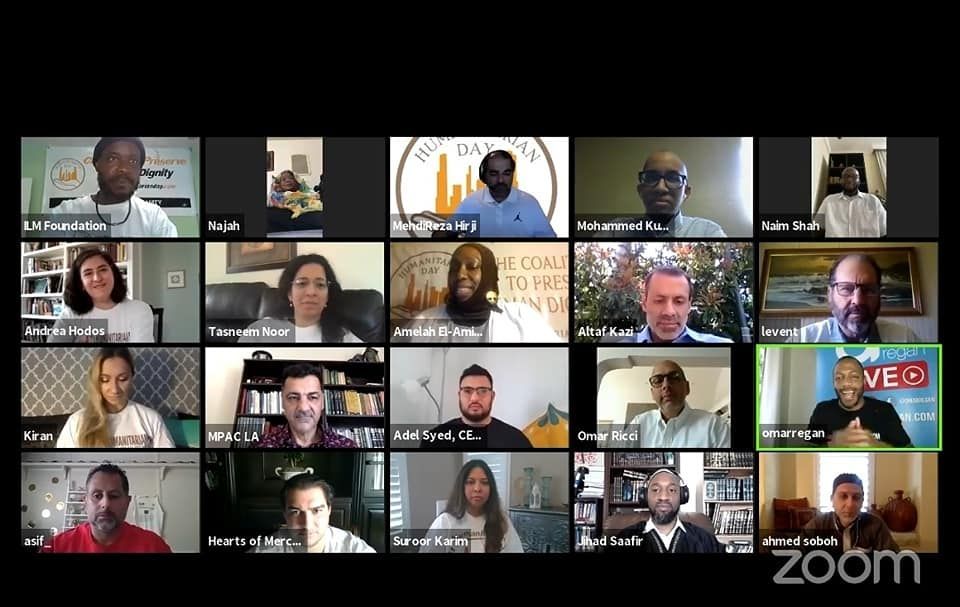
A virtual meeting with a grid of diverse participants on a Zoom call.

In 2012, Umar establishes all of ILM social media presence and upgraded our website. Every post for ILM, Humanitarian Day, and our community organization efforts Umar completed. One of my favorite programs he put together was a Zoom meeting during Covid-19 call the People of Humanitarian Day. (See above)


The Qur’an in Surah Al-Balad (90:11–12) describes al-‘aqabah—the steep path. Our work together was exactly that: a steep, difficult road. There was little money, little recognition, and sometimes even suffering. But these struggles never distracted him. If anything, they fueled his spirit, driving him to reach higher levels of service.


Quick story our Sister Amelah El Amin (shown above in the photo) contacted us about some gift items she needed for her Humanitarian Day Oakland event that was the next day. Umar and I had the items intended to be distributed for the event. So, we drove from LA arriving in Oakland around 9 pm. We dropped off all the inventory from a U-Haul van then turn right around to drive back to LA arriving the next morning round 5 am. This is what I mean when I say a "Going All In Attitude"!


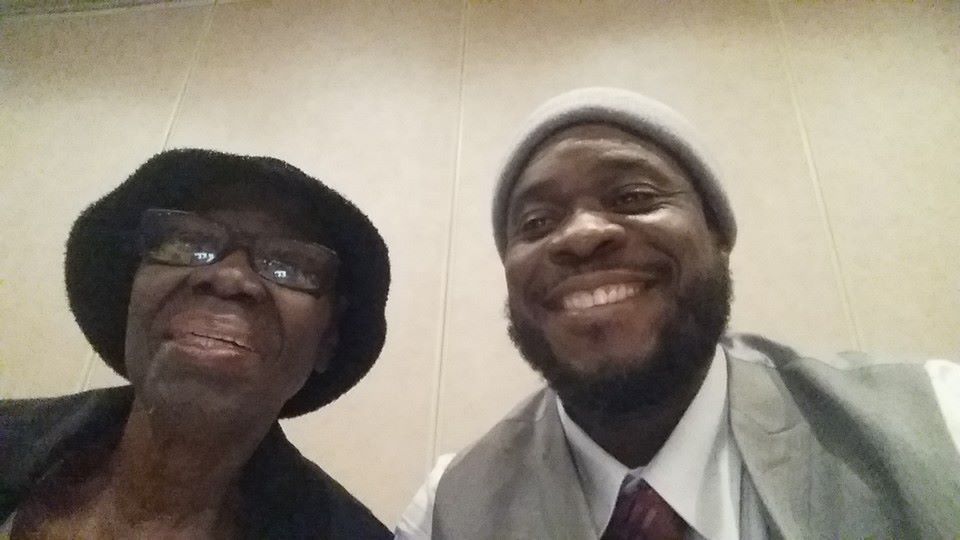
Two people smiling at the camera. One wears a hat and glasses, the other a beanie and vest.

Loving His Mother


Another dimension of our bond came through his mother (may Allah have mercy on her). Umar’s home became a refuge for me. Every time I visited, His mother would welcomed me with open arms, a warm hug, words of wisdom, a home-cooked meal, and her famous hibiscus punch.


She shared stories about her childhood in Guyana, her work as a nurse, and her devotion in the church. She would proudly show me her crops in the backyard. After visiting with her, Umar and I would retreat to his room, which we called the lab, to strategize on projects. Many times, exhausted from the work, I would simply fall asleep on his bed. Receiving his mother’s love deepened my understanding of who Umar was. Through her, I began to realize, I had gained more than a partner in service, I had gained a brother and a second family.


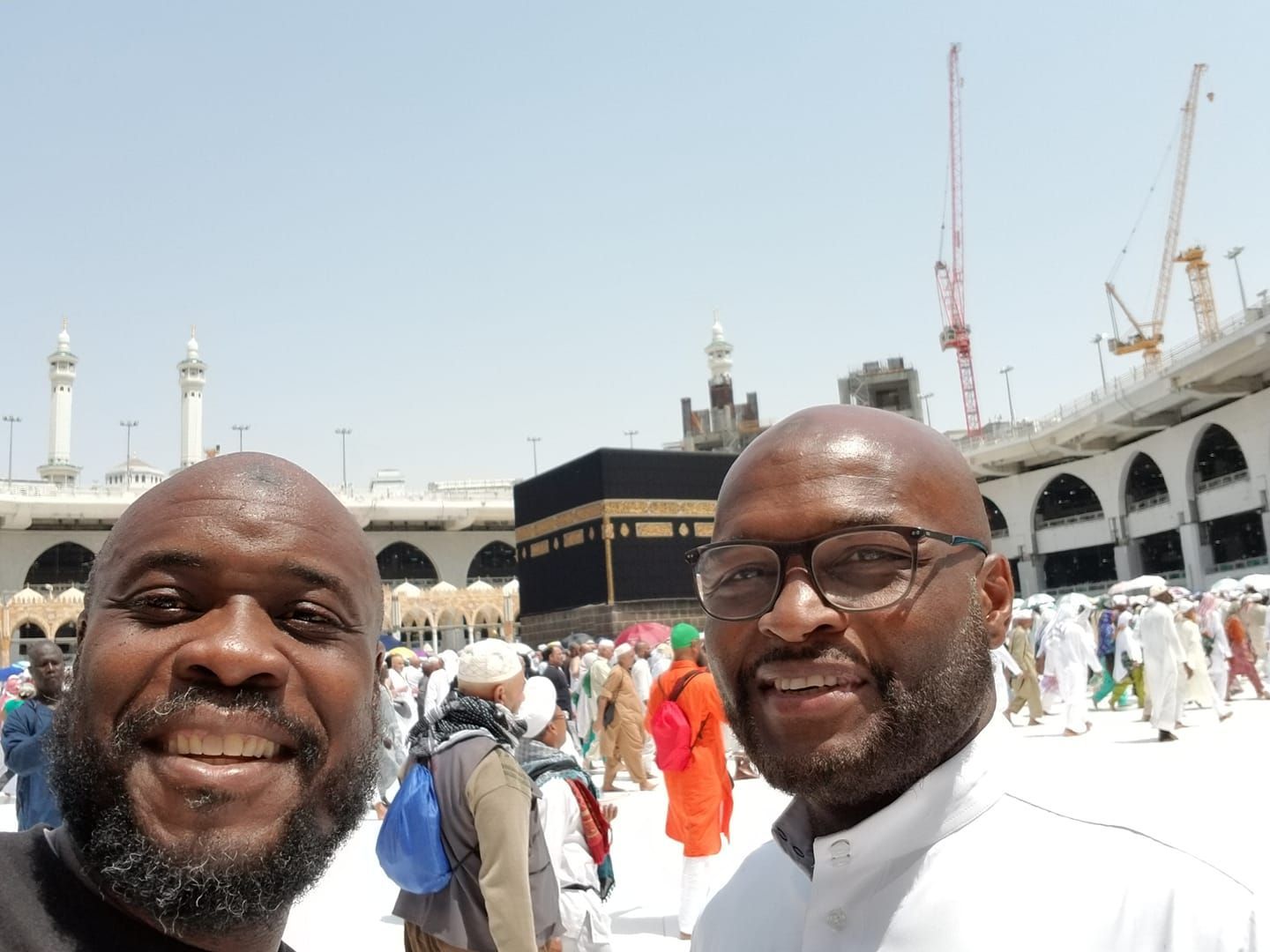
Two men smiling in front of the Kaaba at the Grand Mosque in Mecca, with many people in the background.

Leaving the U.S. and Entrusting ILM to Umar


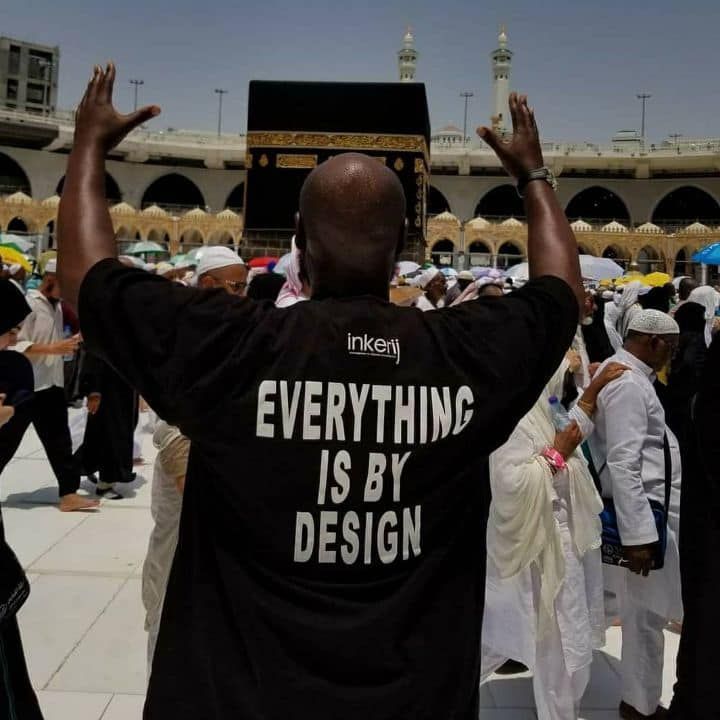
Eventually, I left the United States to work in Saudi Arabia. Before leaving, I made a decision that reflected the level of trust I had in him. I personally appointed Umar as ILM’s Executive Director. I did not want him to attend meetings with founders and executive directors of other organizations holding only the title of “Associate Director.” That did not match the level of his leadership or contributions to ILM. From that point forward, Umar was recognized as the Executive Director of ILM, while I shifted into the role of National and International Director.


 In just seven years, Umar had gone from a volunteer to leading ILM Foundation. It was a remarkable rise, but one that reflected his character, commitment, and the trust the community had in him. While away for Los Angeles, anything I needed for myself personally, my family, and or my parents he was there to handle it for me. Really, he was my brother in action more that words.


Umar Hakim-Dey was more than a co-worker, he was a brother, mentor, and visionary. At ILM Foundation, he dedicated himself to creating programs that balanced spiritual growth with practical empowerment. He led all of our civic engagement community organizing efforts. His work touched countless lives, especially in underserved communities.


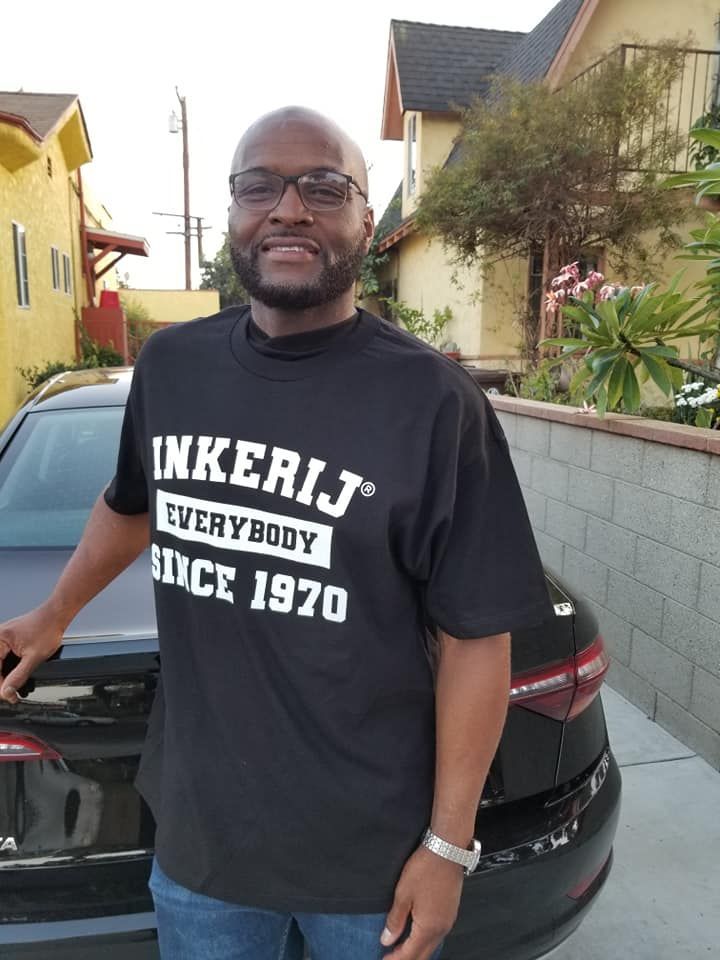
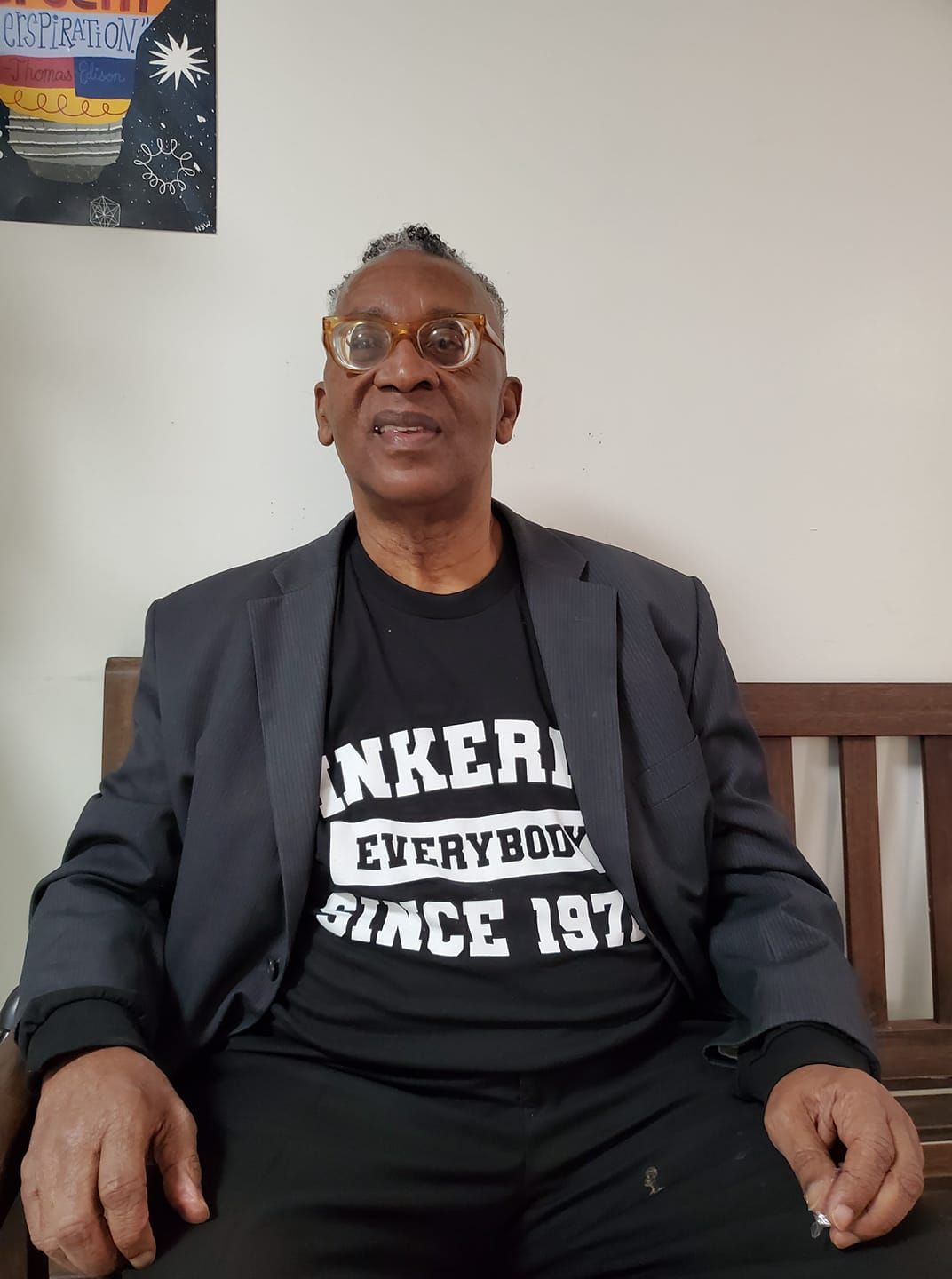
May Allah forgive, bless, and reward him. His scope of influence and outreach surpassed all of us. He developed himself beyond ILM Foundation. I knew he needed his own platform to execute his community action plan and vision. Allah blessed that to happen with him founding his own non-profit social empowerment foundation called Inkerij. Our goal is to Inkerij as many people as possible to strive to achieve what Allah blessed Umar to achieve and beyond.


Umar’s legacy will continue but his blueprint will never be duplicated. His legacy will live on in the communities he helped strengthen, in the leaders he helped train, and in the countless souls he inspired to become better human beings.


For our family, Umar was truly Papa Shah’s fifth son. For ILM Foundation, he will always be our executive director. One verse in the Quran that sums up my brother’s life is “Say, my prayer, my service of sacrifice, my life, and my death are for Allah, the Lord of all the worlds”. 6.162


May Allah accept his efforts, forgive his shortcomings, and grant him the highest station in Paradise.


Orange

At ILM Foundation, we believe in nourishing bodies and minds. Together, we can create an interconnected community where everyone thrives!

By ILM Foundation • November 2, 2026
Beyond the Streets: Understanding the Crisis
By ILM Foundation • October 29, 2026
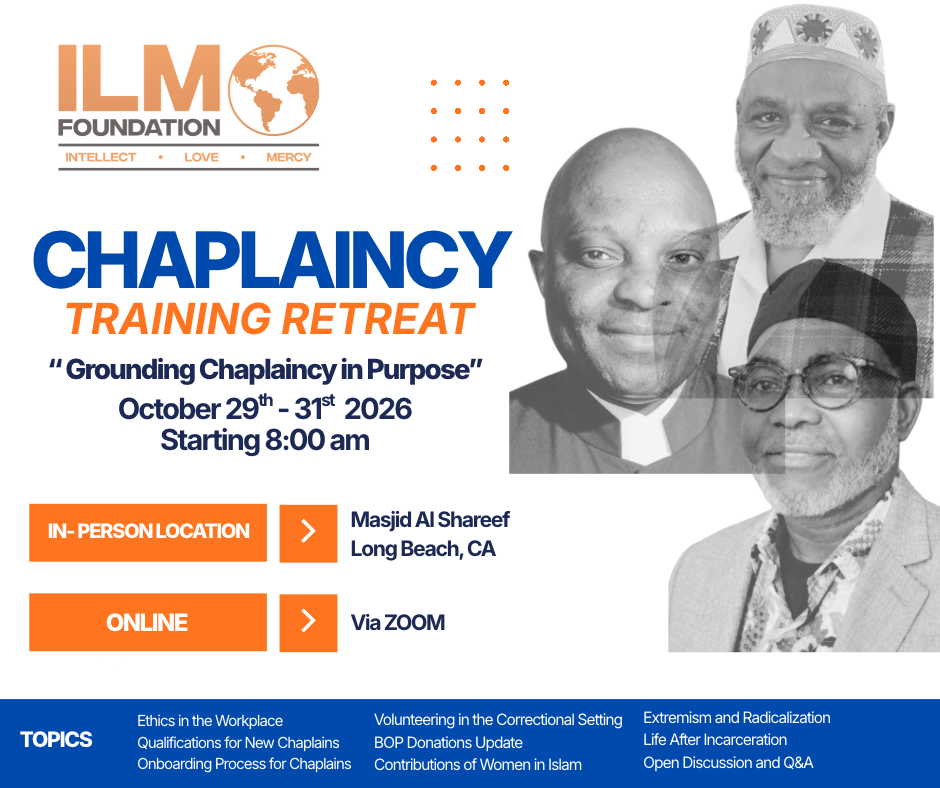
Grounding Chaplaincy in Purposefulness: Strengthening the Role of Muslim Chaplains in America ILM Foundation’s Annual Chaplaincy Training Retreat October 29–31, 2026 | Masjid Al Shareef, Long Beach, California Muslim chaplaincy is more than a professional responsibility. It is a commitment to serve humanity through spiritual care, compassionate guidance, ethical leadership, and the protection of religious dignity. A Calling to Serve Beyond the Mosque Across the United States, Muslim chaplains are making important contributions in places where spiritual care, emotional support, and religious guidance can have a profound impact on people's lives. From correctional institutions and military installations to hospitals and other public-serving institutions, chaplains help individuals navigate some of life's most challenging circumstances. Their work often takes place away from the public spotlight. They serve people experiencing illness, isolation, personal crises, family separation, incarceration, grief, and uncertainty. They help individuals maintain a connection to their faith, find meaning during difficult moments, and make decisions grounded in their spiritual and ethical values. Muslim chaplains also contribute to the broader American institutional landscape by helping ensure that Muslim religious needs are understood and respected. At the federal, state, and county levels, their work can support religious accommodation, interfaith understanding, institutional well-being, and the dignity of people from diverse backgrounds. In these settings, chaplaincy is not simply about providing religious services. It is about meeting people where they are, understanding their circumstances, and offering appropriate spiritual care with wisdom, professionalism, and compassion. Why Purposefulness Matters in Chaplaincy The responsibilities of a chaplain demand more than religious knowledge alone. They require the ability to apply that knowledge appropriately within complex professional environments. This is why ILM Foundation's 2026 Chaplaincy Training Retreat is centered on the theme: “Grounding Chaplaincy in Purposefulness.” Purposefulness invites chaplains to reflect on the deeper meaning of their service. Why do we serve? Whom are we called to serve? How can our presence contribute to healing, accountability, spiritual growth, and human dignity? These questions are especially important for Muslim chaplains working in institutions where religious needs intersect with professional policies, legal obligations, ethical responsibilities, and the diverse experiences of the people they serve. Ongoing training and reflection help chaplains strengthen their ability to navigate these responsibilities with integrity and confidence. The ILM Foundation Annual Muslim Chaplaincy Training Retreat ILM Foundation will host its annual Chaplaincy Training Retreat from October 29–31, 2026, at the historic Masjid Al Shareef, located at 2104 Orange Avenue, Long Beach, California 90806. The retreat brings together chaplains, religious leaders, community volunteers, and others interested in strengthening their understanding of chaplaincy and its contribution to society. By providing a setting for learning, reflection, professional development, and discussion, ILM Foundation seeks to encourage a thoughtful and purposeful approach to Muslim chaplaincy. The retreat's program addresses practical and ethical questions facing chaplains while recognizing the importance of spiritual grounding, professional preparation, and collaboration across religious traditions. Featured Topics The three-day program includes discussions and presentations on: Spirituality in Chaplaincy: Exploring the spiritual foundation and purpose of pastoral service Ethics in the Work Environment: Examining the importance of integrity, professional conduct, and ethical decision-making. New Qualifications for Chaplains: Considering evolving qualifications and professional expectations for chaplaincy positions. Volunteering in Correctional Settings: Understanding the responsibilities and opportunities associated with providing spiritual support in correctional institutions. Accommodation of Jewish Holidays: Learning about religious accommodation and the needs of different faith communities. Contributions of Women in Islam: Exploring women's contributions and their place within Muslim religious and community life. Extremism and Radicalization: Engaging with an important topic relevant to institutional and community responsibilities. ILM's Chaplaincy Onboarding Process: Examining preparation and organizational support for chaplaincy service. The program also includes Quranic recitation, reflection, concluding discussions, and opportunities for questions and answers. An Experienced and Diverse Group of Speakers The retreat features Muslim scholars, chaplains, community leaders, and an interfaith contributor whose experience spans religious service, institutional chaplaincy, education, and community leadership. Featured speakers include: Imam Dr. Mustapha Kulungu Imam Dr. Zubair Yousif I mam Abu Ishaq Hafiz Imam Ayub Haroun Imam Fateen Saifullah Imam Mohammad Zakaria Imam Naim Shah, Jr. Sister Sabah Muhammad-Tahir Sister Renee Mustafa Rabbi Abraham Richter Dr. Nayawiyyah Muhammad Imam Naim-Shareef Shah The Importance of Preparing the Next Generation of Chaplains As the responsibilities of chaplains continue to intersect with increasingly complex institutional and community needs, preparation becomes essential. Aspiring chaplains, experienced practitioners, religious leaders, and volunteers all benefit from opportunities to examine their methods, learn from colleagues, and develop a deeper understanding of the environments in which they serve. Effective preparation includes more than theological knowledge. It involves learning how to communicate across differences, respect confidentiality, recognize professional boundaries, understand institutional requirements, respond appropriately to crises, and work collaboratively with other professionals. For Muslim chaplains, this preparation also includes representing Islam through conduct that reflects compassion, justice, service, and respect for human dignity. The annual retreat offers a space to engage these responsibilities collectively and to encourage a culture of continued learning. ILM Foundation: Faith in Action Through Service The work of chaplaincy reflects a broader principle that guides meaningful community service: faith should inspire action. Through its annual Chaplaincy Training Retreat, ILM Foundation provides a forum for Muslim chaplains and community members to reflect on how religious commitment can translate into responsible, compassionate, and professionally grounded service. Hosting the retreat at Masjid Al Shareef also connects this work to the mosque's role as a place of worship, learning, reflection, and community engagement. By encouraging dialogue, training, and professional development, ILM Foundation seeks to strengthen the people who serve others during moments when spiritual guidance and human connection matter most. The retreat is an opportunity to reaffirm that chaplaincy is not merely a title or position. It is a responsibility that calls for knowledge, character, preparation, and a clear sense of purpose. Grounding the Future of Chaplaincy in Purpose The contributions of Muslim chaplains across America's correctional, military, healthcare, and other institutional settings deserve recognition and continued support. Their work demonstrates how spiritual care can contribute to individual well-being, religious inclusion, ethical reflection, and the preservation of human dignity. As ILM Foundation convenes its 2026 Annual Chaplaincy Training Retreat, the central invitation is to return to the purpose behind the work: serving people with sincerity, strengthening professional competence, and ensuring that spiritual care remains grounded in responsibility and compassion. When chaplaincy is grounded in purpose, service becomes more than a duty. It becomes a meaningful contribution to humanity. 2026 ILM Foundation Chaplaincy Training Retreat Theme: Grounding Chaplaincy in Purposefulness Dates: October 29–31, 2026 Location: Masjid Al Shareef, 2104 Orange Avenue, Long Beach, CA 90806 Retreat Program: Click here to view Format: In person, with online participation via Zoom For information: ilmfoundationoflosangeles@gmail.com Hosted by: ILM Foundation Interested in Muslim chaplaincy, professional development, or volunteering in correctional settings? Contact ILM Foundation to learn more about its chaplaincy initiatives and training o pportunities.
By ILM Foundation • June 30, 2026
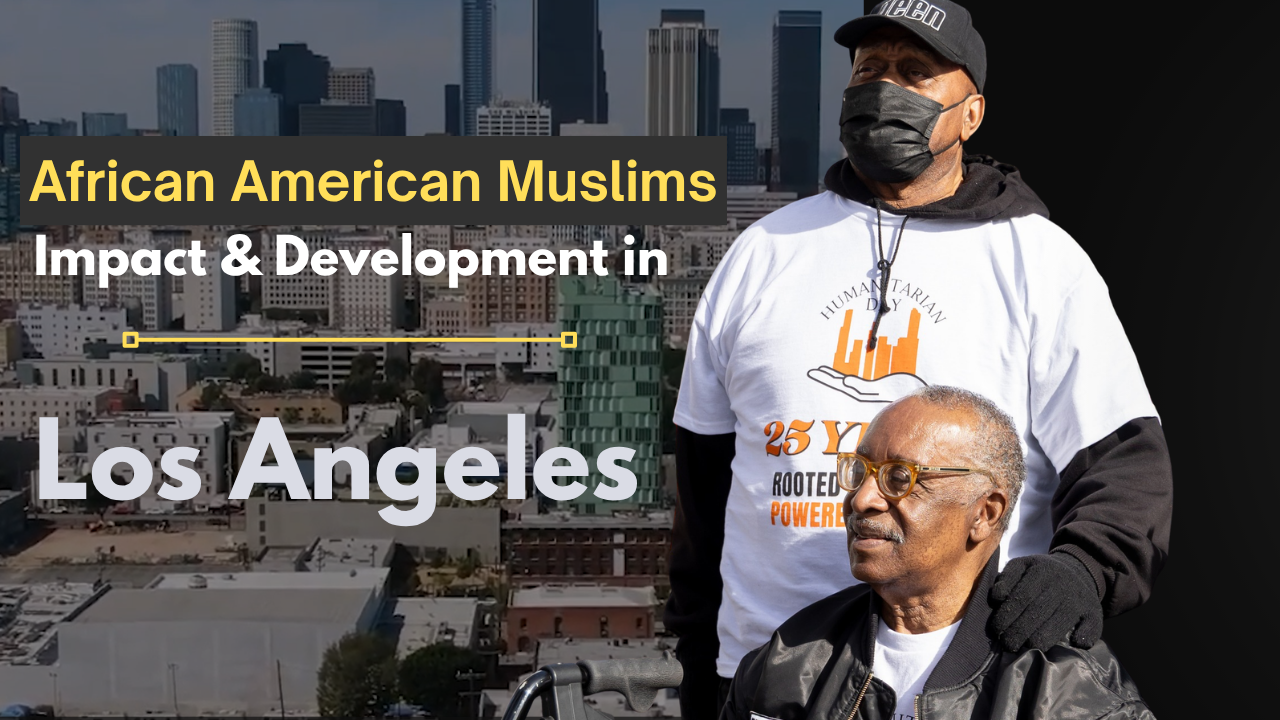
The Story of African-American Muslims in Los Angeles: A Legacy of Faith, Leadership, and Service A New Documentary Film from ILM Foundation History is often written about famous people, major events, and political movements. But some of the most powerful stories are hidden within communities preserved through sacrifice and service. For nearly a century, African-American Muslims have played a remarkable role in shaping the social, spiritual, and humanitarian landscape of Los Angeles. That is why ILM Foundation is proud to present its newest documentary film: "The Legacy of African-American Muslims in Los Angeles" 

Show More