What We Learned from Humanitarian Day 2026

Naim Shah Jr • April 23, 2026

What We Learned from Humanitarian Day 2026: From Service to Lasting Impact

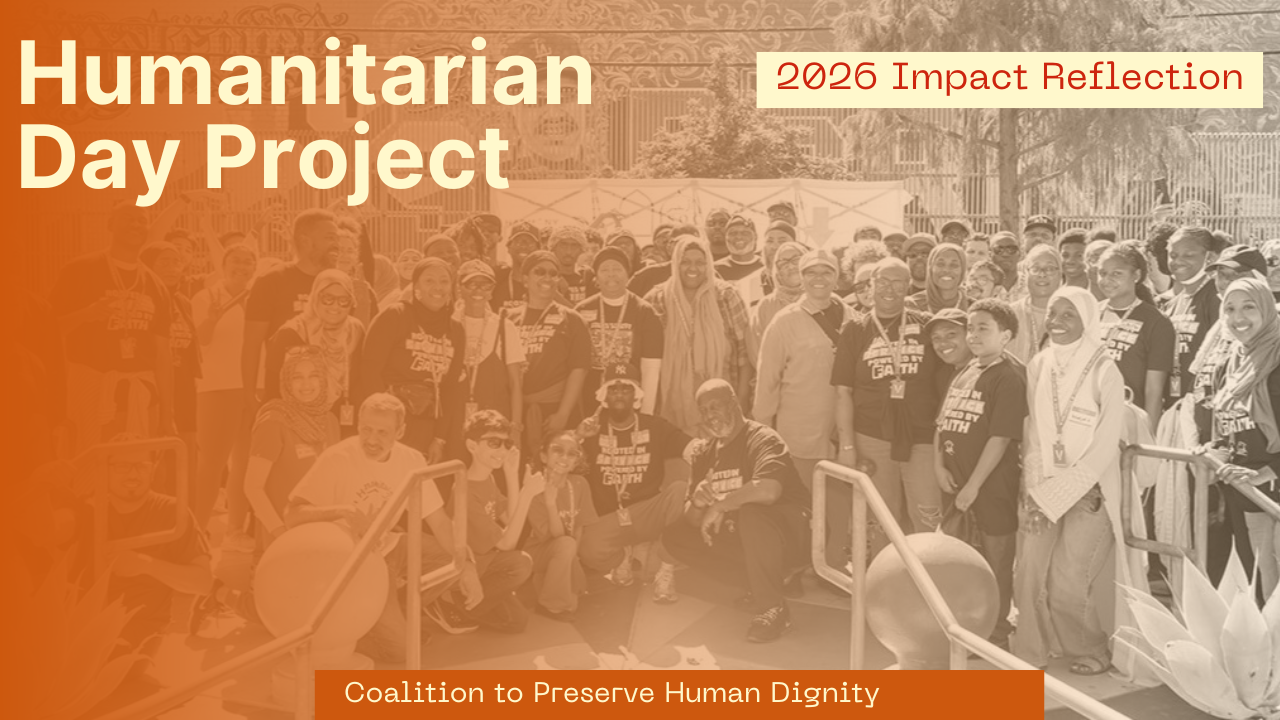
For over two decades, Humanitarian Day has been a commitment to service meeting people where they are with dignity and compassion. In 2026, that mission took on deeper meaning as we continued our work at Gladys Park in the heart of Los Angeles’ Skid Row. This year we experienced a moment of clarity.


Skid Row remains one of the most concentrated areas of homelessness in the United States. According to the Los Angeles Homeless Services Authority, more than 75,000 people experience homelessness across Los Angeles County, with thousands living unsheltered in neighborhoods like Skid Row. Many face overlapping challenges, including long-term unemployment, lack of identification, and limited access to healthcare.


Research also shows that a significant portion of the unhoused population lives with chronic physical or mental health conditions barriers that make pathways out of homelessness even more complex.

And yet, within this reality, there are pockets of transformation.

The Power of Place: Why Gladys Park Matters

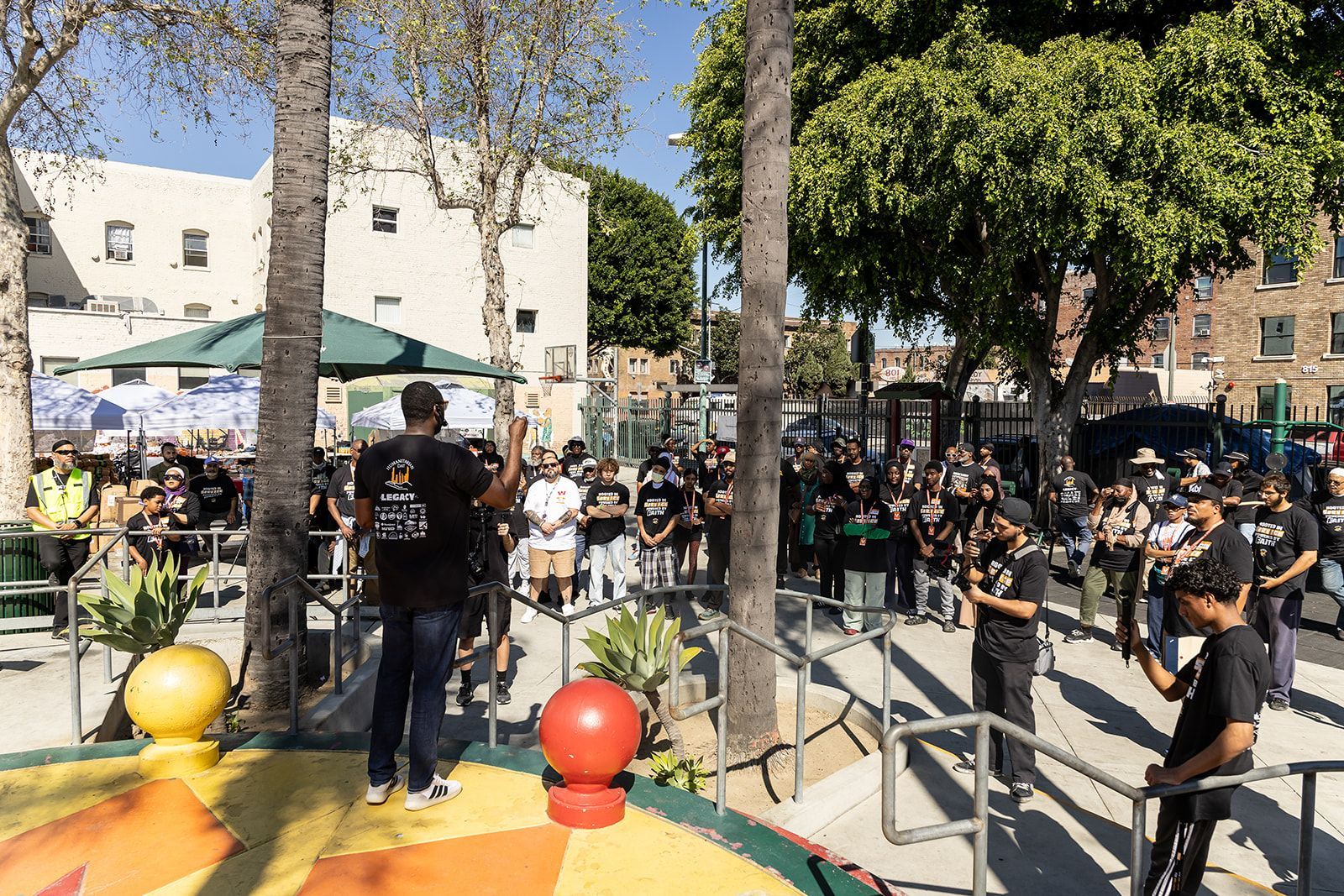
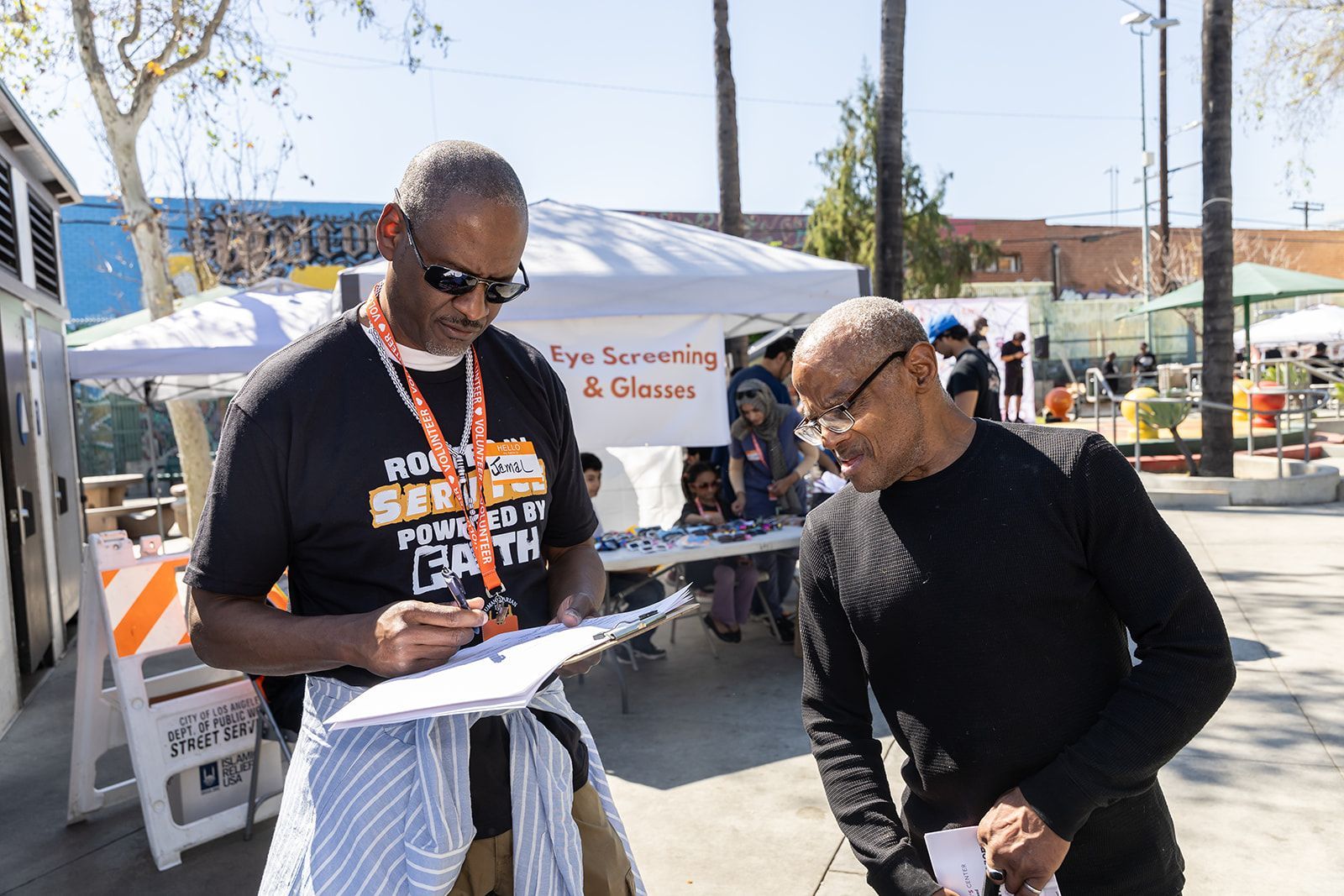
After more than 20 years of hosting Humanitarian Day on the streets, the transition to Gladys Park marked a turning point. For decades, local partners like OG N Service and the Skid Row Brigade have worked to transform the park into a space of safety, dignity, and community engagement.


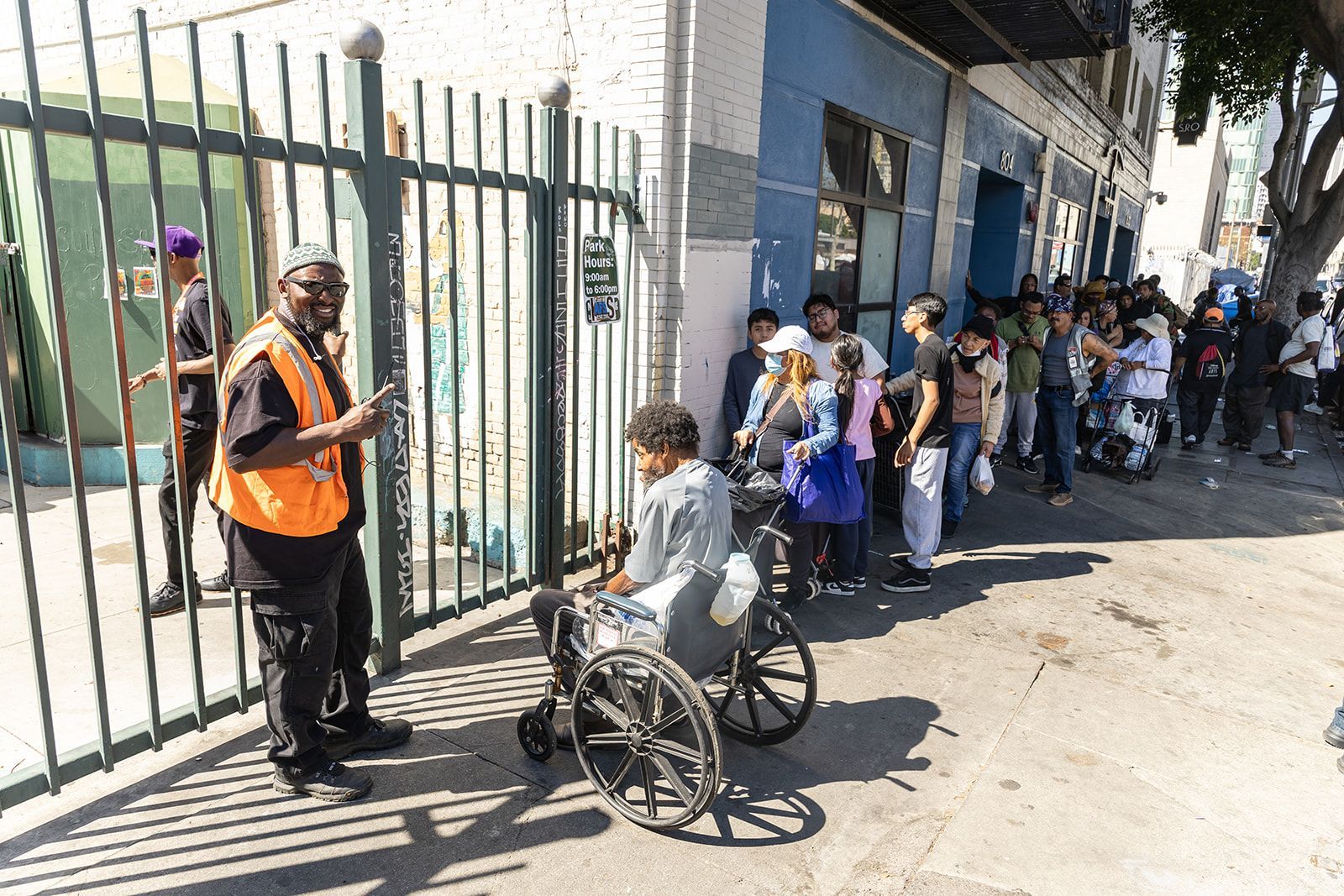
When I arrived this year intentionally late, allowing new leaders to take ownership, I drove through stark contrasts. Just blocks away from downtown Los Angeles’ modern skyline, the environment shifted dramatically: visible poverty, overcrowded sidewalks, and the weight of long-term hardship.


Then, within moments, I reached Gladys Park. The difference was immediate: cleanliness, organization, energy. and humanity. This transformation was not accidental. It was the result of intentional service led by committed partners like LA Park Recreation, Skidrow Brigade, Stop the Violence Increase the Peace foundation and the team from the Al Hajj Malik El Shabbaz Islamic Center who prepared the space with care and purpose. What stood before us was more than a park. It was a model of what dignity-centered service can create.

Listening is one of the Most Powerful Forms of Service

This year, we made a deliberate shift: beyond distributing food, clothing, and essential resources, we focused on listening. Through our participant engagement surveys and direct conversations, we gained deeper insight into the lived realities of those we serve. Key Insights from the Community


Housing remains the most urgent need

  • A strong majority of participants identified stable, permanent housing as their top priority.
  • Many shared that they had been living in Skid Row for 10 years or more, highlighting the depth of chronic homelessness.


Lack of identification is a critical barrier

  • Access to IDs, Social Security cards, and essential documentation was one of the most frequently requested forms of support. Without these, employment and housing opportunities remain out of reach.


Self-reliance is the default survival strategy

  • Approximately two-thirds of participants described themselves as their primary support system.
  • Many reported inconsistent or disrupted assistance, including frequent changes in case managers that forced them to restart their progress repeatedly.


Aging population facing layered challenges

  • Most participants were between the ages of 40 and 65, navigating a combination of economic, social, and health-related hardships. 

Humanitarian Day 2026 By the Numbers

  • While the impact of Humanitarian Day is deeply human, it is also measurable:
  • Hundreds of volunteers mobilized across multiple cities
  • Hundreds of community members served in Skid Row alone
  • 1,000 HD Bags prepared of essential items, including food, clothing, and hygiene kits
  • Access to health, wellness, eye screening services
  • Dozens of community surveys collected to inform future programming from participants and volunteers


Human Dignity Makes the Difference

Despite the challenges they face, participant feedback about Humanitarian Day was overwhelmingly positive.

Most rated the experience as “Excellent” or “Very Good,” expressing appreciation not only for the services provided, but for how they were treated. Because for many, dignity is not something they experience daily.


From One Day of Service to a Movement of Change

Humanitarian Day has never been just about a single day. It is about building pathways to move individuals from survival to stability. The data and experiences from this year point us toward a clear next step.

At ILM Foundation, in partnership with the Coalition to Preserve Human Dignity, we are committed to expanding our impact beyond annual events by:

  • Increasing access to ID and documentation services
  • Strengthening partnerships for employment and workforce development
  • Expanding year-round community engagement initiatives
  • Deepening our listening and data-driven approach to service
  • Because real change requires consistency.

Every person we encountered carries a story of struggle, resilience, and survival. And every act of service carries an opportunity to restore hope, rebuild dignity, and empower. The work ahead reminded us that while one day can make a difference, lasting transformation requires sustained commitment.

We are extremely grateful to all our volunteers, sponsors, and organizations that support ILM Foundations humanitarian efforts through the Coalition to Preserve Human Dignity 


Orange

At ILM Foundation, we believe in nourishing bodies and minds. Together, we can create an interconnected community where everyone thrives!

By ILM Foundation May 10, 2026
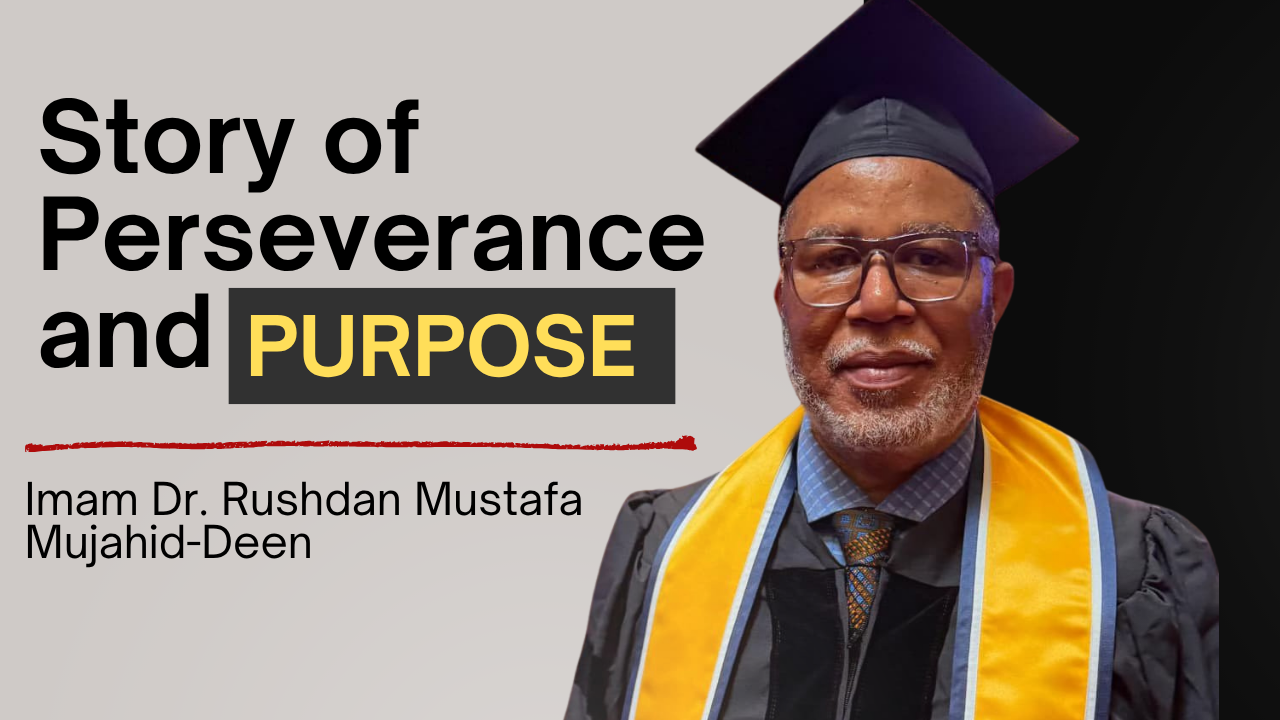
Perseverance to Purpose: Honoring Imam Dr. Rushdan Mustafa Mujahid-Deen His quiet unshakable connection to faith, sacrifice, commitment to service, and personal development. A respected voice in chaplaincy and community service, Imam Rushdan has reached a major milestone earning his Doctor of Ministry (DMin) in Islamic Leadership from Bayan Islamic Graduate School . This achievement is a story of resilience, discipline, and deep spiritual conviction. A Journey Forged Through Struggle and Fait h Balancing two jobs, enduring personal and external challenges, and pushing through moments of doubt, Imam Rushdan remained steadfast. He describes long nights, relentless effort, and a test of patience that would have caused many to step away. At one critical moment , he faced a major setback, not passing his oral defense. For many, this could have marked the end. But not for him, with humility, he returned to his work. He revisited his thesis, leaned on the support of trusted friends, and anchored himself in faith. When he came back to defend his work again, he excelled. "That man can have nothing but what he strives for; That (the fruit of) his striving will soon come in sight.." Quran Chapter 53:39-40
By Naim Shah Jr May 1, 2026
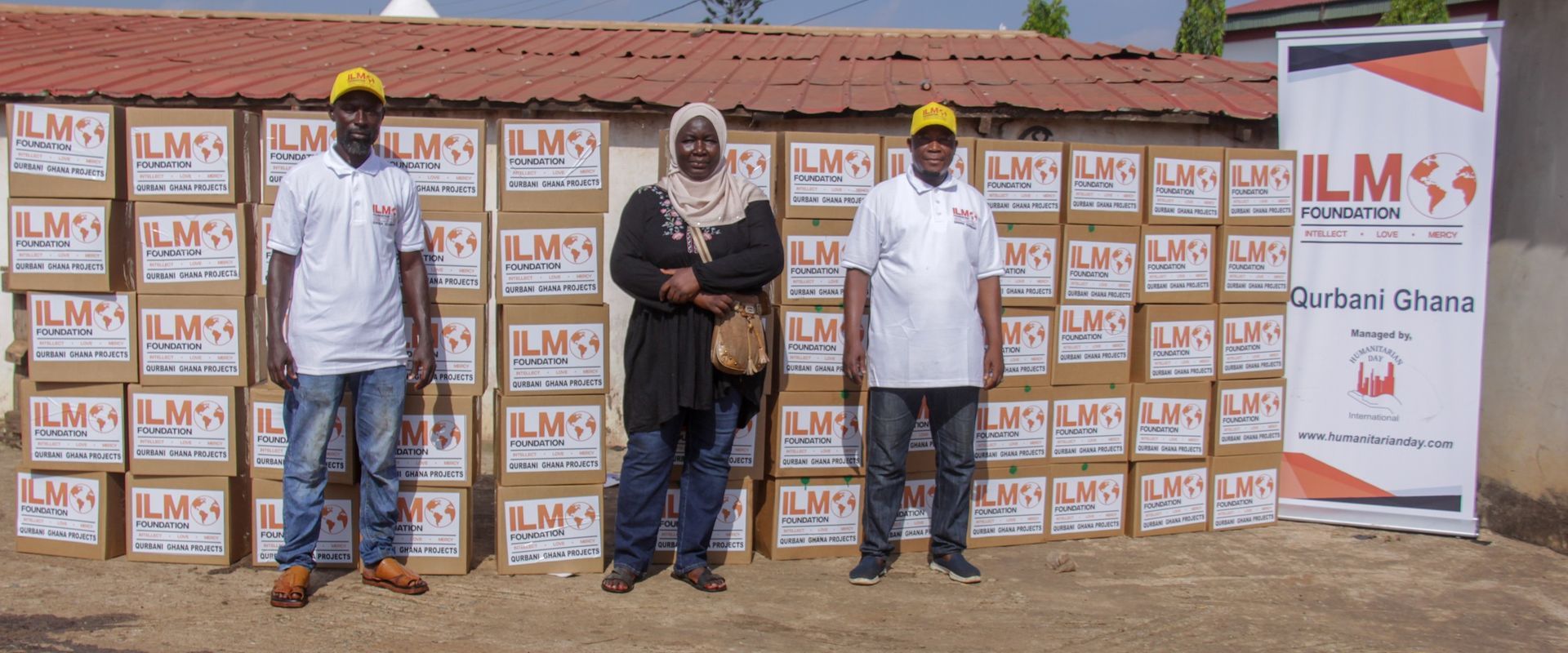
Eid al-Adha & Udhiyah (Qurbani) Guidebook of a Sacred Tradition of Sacrifice, Service, and Compassion Each year, Muslims around the world come together in a powerful expression of faith, generosity, and remembrance for Eid al-Adha, the Festival of Sacrifice. As ILM Foundation prepares for another impactful Qurbani season, this e-guidebook answers the most important questions while inviting you to be part of something deeply meaningful. What is the difference Udhiyah and Qurbani? Udhiyah is the classical Arabic term used in Islamic texts and across the Middle East. It translates to "blood sacrifice" and is derived from Duha (the mid-morning hours when the slaughter occurs). Qurbani is predominantly used in South Asian communities and in Urdu and Persian languages. It is derived from the Arabic word Qurban, which means "to draw near" or "closeness" to Allah. What is Eid al-Adha? Eid al-Adha is one of the two major Islamic holidays, commemorating the unwavering devotion of the Prophet Ibrahim (Abraham). He was tested by God to sacrifice his son, and in his complete submission, he prepared to do so only for God to replace his son with a ram at the last moment. "And when he reached the age of striving alongside him, he said: 'O my dear son, I see in a dream that I am sacrificing you so look, what do you think?' He said: 'O my father, do what you are commanded. You will find me, if Allah wills, among the steadfast……' Quran 37:102 - 107 How is Eid al-Adha celebrated? Eid begins with a special congregational prayer, followed by a sermon. Families gather, meals are shared, and communities come alive with gratitude and generosity. But at the heart of Eid al-Adha is Qurbani, the ritual sacrifice of an animal, symbolizing devotion to God and compassion for others. The importance of the Eid prayer and the sacrifice that follows it is established in the Quran, "Indeed, We have granted you al-Kawthar. So pray to your Lord and sacrifice." Quran 103:1-2 What date is Eid al-Adha 2026? In 2026, Eid al-Adha is expected to begin on Tuesday, May 26, 2026, depending on the sighting of the moon. How many days is Eid al-Adha? Eid al-Adha spans 3 to 4 days, beginning on the 10th day of Dhul Hijjah (the final month of the Islamic calendar) and continuing through the Days of Tashreeq. When does Eid al-Adha end? Eid al-Adha concludes on the 13th of Dhul Hijjah, marking the end of the Days of Tashreeq. Donate Here for your Qurbani
By ILM Foundation April 29, 2026
The Profound Outcome of the Total Submission Qurbani is an act of worship of sacrificing an animal most commonly like a cow, sheep or goat; re-enacting the Sacrifice of Prophet Ibrahim (as) and his Son Prophet Ishmail (as). Eid Al Adha is referred to as Eid Al Akbar (The Big Celebration). ILM Foundation’s aim in this blog is to share some principles associated with this rich tradition and the deep blessings attached to it. Qurbani (قُرْبَانِ) means to draw near. Prophet Ibrahim and his son demonstrate a Divine Master’s Class chronicled in the Quran of Qurbani in practice. Qurbani in the Quran فَلَمَّا بَلَغَ مَعَهُ ٱلسَّعْىَ قَالَ يَـٰبُنَىَّ إِنِّىٓ أَرَىٰ فِى ٱلْمَنَامِ أَنِّىٓ أَذْبَحُكَ فَٱنظُرْ مَاذَا تَرَىٰ ۚ قَالَ يَـٰٓأَبَتِ ٱفْعَلْ مَا تُؤْمَرُ ۖ سَتَجِدُنِىٓ إِن شَآءَ ٱللَّهُ مِنَ ٱلصَّـٰبِرِينَ And when he reached the age of striving alongside him, he said: 'My son I see in a dream that I am slaughtering you. So, tell me, what do you see?' He said: 'My father do what you have been commanded. You will find me, if Allah wills, among the steadfast."
Show More