Donate



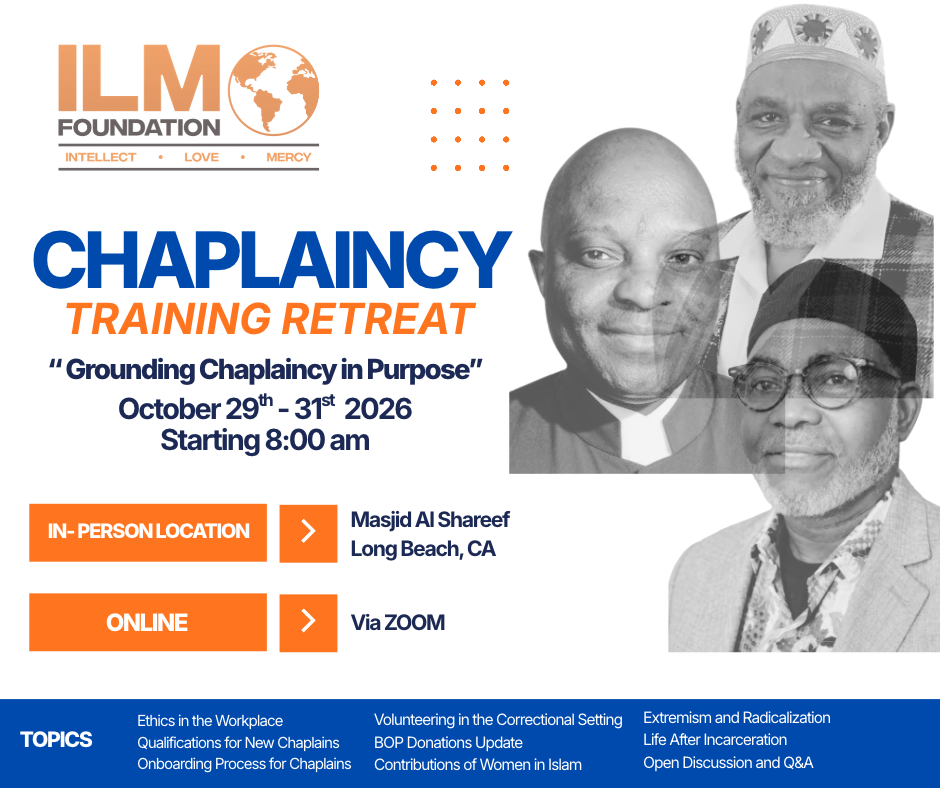
Grounding Chaplaincy in Purposefulness: Strengthening the Role of Muslim Chaplains in America ILM Foundation’s Annual Chaplaincy Training Retreat October 29–31, 2026 | Masjid Al Shareef, Long Beach, California Muslim chaplaincy is more than a professional responsibility. It is a commitment to serve humanity through spiritual care, compassionate guidance, ethical leadership, and the protection of religious dignity. A Calling to Serve Beyond the Mosque Across the United States, Muslim chaplains are making important contributions in places where spiritual care, emotional support, and religious guidance can have a profound impact on people's lives. From correctional institutions and military installations to hospitals and other public-serving institutions, chaplains help individuals navigate some of life's most challenging circumstances. Their work often takes place away from the public spotlight. They serve people experiencing illness, isolation, personal crises, family separation, incarceration, grief, and uncertainty. They help individuals maintain a connection to their faith, find meaning during difficult moments, and make decisions grounded in their spiritual and ethical values. Muslim chaplains also contribute to the broader American institutional landscape by helping ensure that Muslim religious needs are understood and respected. At the federal, state, and county levels, their work can support religious accommodation, interfaith understanding, institutional well-being, and the dignity of people from diverse backgrounds. In these settings, chaplaincy is not simply about providing religious services. It is about meeting people where they are, understanding their circumstances, and offering appropriate spiritual care with wisdom, professionalism, and compassion. Why Purposefulness Matters in Chaplaincy The responsibilities of a chaplain demand more than religious knowledge alone. They require the ability to apply that knowledge appropriately within complex professional environments. This is why ILM Foundation's 2026 Chaplaincy Training Retreat is centered on the theme: “Grounding Chaplaincy in Purposefulness.” Purposefulness invites chaplains to reflect on the deeper meaning of their service. Why do we serve? Whom are we called to serve? How can our presence contribute to healing, accountability, spiritual growth, and human dignity? These questions are especially important for Muslim chaplains working in institutions where religious needs intersect with professional policies, legal obligations, ethical responsibilities, and the diverse experiences of the people they serve. Ongoing training and reflection help chaplains strengthen their ability to navigate these responsibilities with integrity and confidence. The ILM Foundation Annual Muslim Chaplaincy Training Retreat ILM Foundation will host its annual Chaplaincy Training Retreat from October 29–31, 2026, at the historic Masjid Al Shareef, located at 2104 Orange Avenue, Long Beach, California 90806. The retreat brings together chaplains, religious leaders, community volunteers, and others interested in strengthening their understanding of chaplaincy and its contribution to society. By providing a setting for learning, reflection, professional development, and discussion, ILM Foundation seeks to encourage a thoughtful and purposeful approach to Muslim chaplaincy. The retreat's program addresses practical and ethical questions facing chaplains while recognizing the importance of spiritual grounding, professional preparation, and collaboration across religious traditions. Featured Topics The three-day program includes discussions and presentations on: Spirituality in Chaplaincy: Exploring the spiritual foundation and purpose of pastoral service Ethics in the Work Environment: Examining the importance of integrity, professional conduct, and ethical decision-making. New Qualifications for Chaplains: Considering evolving qualifications and professional expectations for chaplaincy positions. Volunteering in Correctional Settings: Understanding the responsibilities and opportunities associated with providing spiritual support in correctional institutions. Accommodation of Jewish Holidays: Learning about religious accommodation and the needs of different faith communities. Contributions of Women in Islam: Exploring women's contributions and their place within Muslim religious and community life. Extremism and Radicalization: Engaging with an important topic relevant to institutional and community responsibilities. ILM's Chaplaincy Onboarding Process: Examining preparation and organizational support for chaplaincy service. The program also includes Quranic recitation, reflection, concluding discussions, and opportunities for questions and answers. An Experienced and Diverse Group of Speakers The retreat features Muslim scholars, chaplains, community leaders, and an interfaith contributor whose experience spans religious service, institutional chaplaincy, education, and community leadership. Featured speakers include: Imam Dr. Mustapha Kulungu Imam Dr. Zubair Yousif I mam Abu Ishaq Hafiz Imam Ayub Haroun Imam Fateen Saifullah Imam Mohammad Zakaria Imam Naim Shah, Jr. Sister Sabah Muhammad-Tahir Sister Renee Mustafa Rabbi Abraham Richter Dr. Nayawiyyah Muhammad Imam Naim-Shareef Shah The Importance of Preparing the Next Generation of Chaplains As the responsibilities of chaplains continue to intersect with increasingly complex institutional and community needs, preparation becomes essential. Aspiring chaplains, experienced practitioners, religious leaders, and volunteers all benefit from opportunities to examine their methods, learn from colleagues, and develop a deeper understanding of the environments in which they serve. Effective preparation includes more than theological knowledge. It involves learning how to communicate across differences, respect confidentiality, recognize professional boundaries, understand institutional requirements, respond appropriately to crises, and work collaboratively with other professionals. For Muslim chaplains, this preparation also includes representing Islam through conduct that reflects compassion, justice, service, and respect for human dignity. The annual retreat offers a space to engage these responsibilities collectively and to encourage a culture of continued learning. ILM Foundation: Faith in Action Through Service The work of chaplaincy reflects a broader principle that guides meaningful community service: faith should inspire action. Through its annual Chaplaincy Training Retreat, ILM Foundation provides a forum for Muslim chaplains and community members to reflect on how religious commitment can translate into responsible, compassionate, and professionally grounded service. Hosting the retreat at Masjid Al Shareef also connects this work to the mosque's role as a place of worship, learning, reflection, and community engagement. By encouraging dialogue, training, and professional development, ILM Foundation seeks to strengthen the people who serve others during moments when spiritual guidance and human connection matter most. The retreat is an opportunity to reaffirm that chaplaincy is not merely a title or position. It is a responsibility that calls for knowledge, character, preparation, and a clear sense of purpose. Grounding the Future of Chaplaincy in Purpose The contributions of Muslim chaplains across America's correctional, military, healthcare, and other institutional settings deserve recognition and continued support. Their work demonstrates how spiritual care can contribute to individual well-being, religious inclusion, ethical reflection, and the preservation of human dignity. As ILM Foundation convenes its 2026 Annual Chaplaincy Training Retreat, the central invitation is to return to the purpose behind the work: serving people with sincerity, strengthening professional competence, and ensuring that spiritual care remains grounded in responsibility and compassion. When chaplaincy is grounded in purpose, service becomes more than a duty. It becomes a meaningful contribution to humanity. 2026 ILM Foundation Chaplaincy Training Retreat Theme: Grounding Chaplaincy in Purposefulness Dates: October 29–31, 2026 Location: Masjid Al Shareef, 2104 Orange Avenue, Long Beach, CA 90806 Retreat Program: Click here to view Format: In person, with online participation via Zoom For information: ilmfoundationoflosangeles@gmail.com Hosted by: ILM Foundation Interested in Muslim chaplaincy, professional development, or volunteering in correctional settings? Contact ILM Foundation to learn more about its chaplaincy initiatives and training o pportunities.

The Story of African-American Muslims in Los Angeles: A Legacy of Faith, Leadership, and Service A New Documentary Film from ILM Foundation History is often written about famous people, major events, and political movements. But some of the most powerful stories are hidden within communities preserved through sacrifice and service. For nearly a century, African-American Muslims have played a remarkable role in shaping the social, spiritual, and humanitarian landscape of Los Angeles. That is why ILM Foundation is proud to present its newest documentary film: "The Legacy of African-American Muslims in Los Angeles"
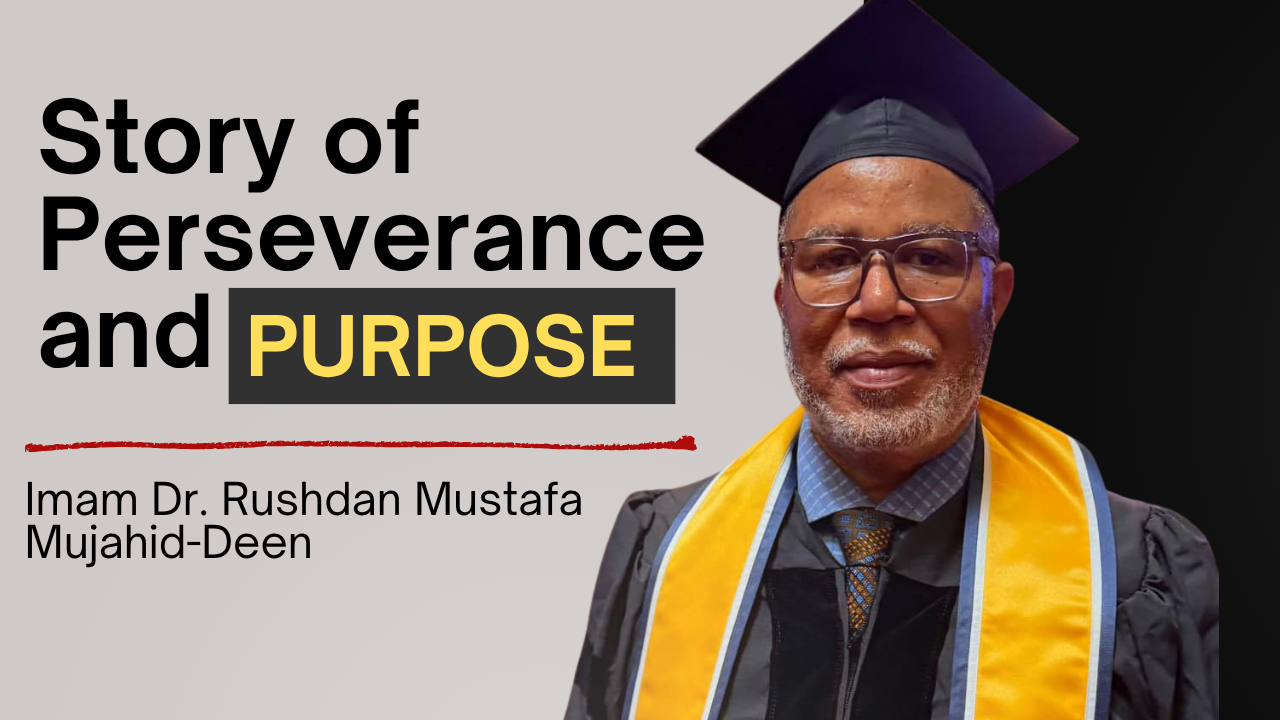
Perseverance to Purpose: Honoring Imam Dr. Rushdan Mustafa Mujahid-Deen His quiet unshakable connection to faith, sacrifice, commitment to service, and personal development. A respected voice in chaplaincy and community service, Imam Rushdan has reached a major milestone earning his Doctor of Ministry (DMin) in Islamic Leadership from Bayan Islamic Graduate School . This achievement is a story of resilience, discipline, and deep spiritual conviction. A Journey Forged Through Struggle and Fait h Balancing two jobs, enduring personal and external challenges, and pushing through moments of doubt, Imam Rushdan remained steadfast. He describes long nights, relentless effort, and a test of patience that would have caused many to step away. At one critical moment , he faced a major setback, not passing his oral defense. For many, this could have marked the end. But not for him, with humility, he returned to his work. He revisited his thesis, leaned on the support of trusted friends, and anchored himself in faith. When he came back to defend his work again, he excelled. "That man can have nothing but what he strives for; That (the fruit of) his striving will soon come in sight.." Quran Chapter 53:39-40